:::Astigmatic:::

Posted: Saturday, 31 January 2009 by jazzlover in Etykiety: , ,
7


Innovator with a complex of tradition, romanticist expressing himself in the contemporary idiom, poet of piano - this is Krzysztof Komeda, one of those musicians who have widened the essence of jazz.
He has proved that the world of emotions hitherto remaining within the scope of symphony music could manifest itself in jazz as well. He did it by introducing into it dramatic lyricism and pathos which in their ecstatic, even mystic intensity are in the late-romantic, Promethean, Skriabin-like modes of expression.
This new aesthetics in jazz required its new form. Instead of the static conventional sets of variations, preceding without direction, he has initiated a dramatic form which develops from the exposition towards culmination and final solution. This form, let us call it roughly "the bow form", has been used in two major pieces by Komeda recorded on this disc: Astigmatic and Svantetic (after Svante Forster, Swedish poet and writer, friend of the composer). The solo parts have ceased in it to be blowing choruses and have taken on instead a definite function, while the simple construction of the piece, concentration on a single idea (one movement, one theme), as well as much scope for improvisation and the psychic contact between the players contribute to the fullest realization of the composition.
The dramatic and constructional elements are not the only characteristics of Komeda's style. The particular "Slavonic" feeling of his pieces results from the fusion of all sorts of stuff: beside contemporary technique of composition (sound spots, clusters, aleatoric and poliagogic structures) there are structures getting out of fashion (modalism or the extinct harmonics of the last century) or the "fossilized", long forgotten forms of the musical prematter (as for instance the simple drum beating - the obsessive rhythm, how very fresh and revealing nowadays!, or the uncontrolled instrumental "cry").
The force that unifies these elements is the jazz rhythm and sound. It must be said, however, that the sonority and articulation have been here considerably widened.
Komeda's pieces are outlines to be performed by a group of chosen instrumentalists. No wonder that Komeda selects his partners carefully.
Among the musicians connected with him there is Rune Carlson, a distinguished Swedish percussionist, extraordinarily musical, with a rapid reflex and an unusual sensitivity to the quality of sound. Though in his style similar to Anthony Williams, in details completely different from him.
Then there is in Komeda's group Tomasz Stańko, a leading Polish trumpeter, a striking individuality. Since recently he has been playing on the flugelhorn, extracting from it a fine, voluminous sound.
As guest performers appear with Komeda: Günter Lenz, playing double-bass with the West-German Albert Mangelsdorff ensemble, a musician of rich technique and imagination; and Zbigniew Namysłowski from Warsaw, one of the leading alto axophonists of the younger generation (born in 1939), known in numerous countries in Europe and in USA.

Krzysztof Komeda (1931-1969), a pianist, a musician whose career has been very rich. He has been playing as jazz musician since 1959, appearing in many European countries and having a particularly great success in Scandinavia. He has written music to over thirty films both Polish and foreign. Among others to Two Men with a Wardrobe, Mammalia, Knife in Water, Cul-de-sac, all by Roman Polański, to Innocent Sorcerers by Andrzej Wajda, Hvad Medos and Kattorna (Cats) by Henig Carlssen. Just from the latter comes the second of the pieces recorded on this disc of the four individualists appeals strongly to our imagination. And that is what they are aiming at.
:::Review by Adam Stawinski
Original liner notes from the album's back cover:::

Krzysztof Komeda – Astigmatic (1965)

1. Astigmatic 22:50
2. Kattorna 7:20
3. Svantetic 15:50

Komeda Quintet
Tomasz Stańko - trumpet
Zbigniew Namysłowski- alto sax
Krzysztof Komeda - piano
Gunter Lenz - bass
Rune Carlson - drums

:::Thrust:::

Posted: Friday, 30 January 2009 by jazzlover in Etykiety: , , , ,
5


The follow-up to the breakthrough Headhunters album was virtually as good as its wildly successful predecessor: an earthy, funky, yet often harmonically and rhythmically sophisticated tour de force. There is only one change in the Headhunters lineup — swapping drummer Harvey Mason for Mike Clark — and the switch results in grooves that are even more complex. Hancock continues to reach into the rapidly changing high-tech world for new sounds, most notably the metallic sheen of the then-new ARP string synthesizer which was already becoming a staple item on pop and jazz-rock records. Again, there are only four long tracks, three of which ("Palm Grease," "Actual Proof," "Spank-A-Lee") concentrate on the funk, with plenty of Hancock's wah-wah clavinet, synthesizer textures and effects, and electric piano ruminations that still venture beyond the outer limits of post-bop. The change-of-pace is one of Hancock's loveliest electric pieces, "Butterfly," a match for any tune he's written before or since, with shimmering synth textures and Bennie Maupin soaring on soprano (Hancock would re-record it 20 years later on Dis Is Da Drum, but this is the one to hear). This supertight jazz-funk quintet album still sounds invigorating a quarter of a century later.
:::Review by Richard S. Ginell:::

Herbie Hancock – Thrust (1974)

1. Palm Grease (10:34)
2. Actual Proof (9:41)
3. Butterfly (11:18)
4. Spank-A-Lee (7:11)

Credits
Artwork By [Cover] - Rob Springett
Bass [Electric Bass] - Paul Jackson
Drums - Mike Clark
Electric Piano [Fender Rhodes], Clavinet [Hohner D-6], Synthesizer [Arp Odyssey, Arp Soloist, Arp 2600, Arp String] - Herbie Hancock
Engineer [Recording Engineer] - Fred Catero
Percussion - Bill Summers
Producer - David Rubinson , Herbie Hancock
Saxophone [Soprano & Tenor Saxophone], Clarinet [Bass Clarinet], Flute [Alto Flute] - Bennie Maupin
Written By - Bennie Maupin (tracks: 3) , Herbie Hancock , Mike Clark (tracks: 4) , Paul Jackson (tracks: 4)

:::Beit:::

Posted: Thursday, 29 January 2009 by jazzlover in Etykiety: , , , ,
2


John Zorn's absorption of klezmer motifs into avant-garde jazz is remarkable in itself, but even more extraordinary is Masada's utter command of the two genres' fiercely visceral energies. Fueled by Joey Baron's ferocious drumming and Zorn's savage, apocalyptic squeal, Beit is an archetype of focused intensity. (Anyone dying for truth in jazz needs only to hear "Peliyot" to be instantly transfixed and astounded.) Baron and Greg Cohen are among the most powerful and perceptive rhythm sections in any genre, and Dave Douglas, one of the most brilliant trumpeters of his generation, continues to lend immaculate support. Simply stated, this is one of jazz's greatest groups.
:::Review by Jim Smith:::

Masada- Vol. 2: Beit (1995)

1. Piram (7:08)
2. Hadasha (10:05)
3. Lachish (2:25)
4. Rachab (4:47)
5. Peliyot (4:32)
6. Achshaph (2:44)
7. Sansanah (7:09)
8. Ravayah (3:19)
9. Sahar (6:12)
10. Tirzah (8:47)
11. Shilhim (2:18)

Credits
Bass - Greg Cohen
Drums - Joey Baron
Mastered By - Allan Tucker
Producer - John Zorn , Kazunori Sugiyama
Recorded By, Mixed By - Jim Anderson
Saxophone [Alto], Composed By - John Zorn
Trumpet - Dave Douglas

:::Ascension:::

Posted: Wednesday, 28 January 2009 by jazzlover in Etykiety: , , , , , , , , ,
4


Ascension is the single recording that placed John Coltrane firmly into the avant-garde. Whereas, prior to 1965, Coltrane could be heard playing in an avant vein with stretched out solos, atonality, and a seemingly free design to the beat, Ascension throws most rules right out the window with complete freedom from the groove and strikingly abrasive sheets of horn interplay. Recorded with three tenors (Trane, Pharoah Sanders, Archie Shepp), two altos (Marion Brown, John Tchicai), two trumpet players (Freddie Hubbard, Dewey Johnson), two bassists (Art Davis, Jimmy Garrison), the lone McCoy Tyner on piano, and Elvin Jones on the drums, this large group is both relentless and soulful simultaneously. While there are segments where the ensemble plays discordant and abrasive skronks, these are usually segues into intriguing blues-based solos from each member. The comparison that is immediately realized is Ornette Coleman's Free Jazz of five years previous. However, it should be known that Ascension certainly carries it own weight, and in a strange sense makes Coleman's foray a passive adventure -- mostly due to an updated sonic quality (à la Bob Thiele) and also Trane's greater sense of passionate spiritualism. Timed at around forty minutes, this can be a difficult listen at first, but with a patient ear and an appreciation for the finer things in life, the reward is a greater understanding of the personal path that the artist was on at that particular time in his development. Coltrane was always on an unceasing mission for personal expansion through the mouthpiece of his horn, but by the time of this recording he had begun to reach the level of "elder statesman" and began to find other voices (Shepp, Sanders, and Marion Brown) to propel and expand his sounds and emotions. Therefore, Ascension reflects more of an event rather than just a jazz record and should be sought out by either experienced jazz appreciators or other open minded listeners, but not by unsuspecting bystanders.
:::Review by Jack LV Isles:::

John Coltrane – Ascension (1965)

1. Ascension - Edition II (40:23)
2. Ascension - Edition I (38:31)

Credits
Bass - Art Davis , Jimmy Garrison
Drums - Elvin Jones
Mastered By - Kevin "Mirabile Dictu" Reeves*
Other [Original Liner Notes] - A. B. Spellman
Other [Reissue Liner Notes] - Lewis Porter
Photography [Original-lp Photographs] - Chuck Stewart
Piano - McCoy Tyner
Producer [Original Recordings] - Bob Thiele
Recorded By - Rudy Van Gelder
Saxophone [Alto] - John Tchicai , Marion Brown
Saxophone [Tenor] - Archie Shepp , John Coltrane , Pharoah Sanders
Trumpet - Dewey Johnson , Freddie Hubbard

Notes
Recorded June 28, 1965 at Van Gelder Recording Studio, Englewood Cliffs, New Jersey.

:::Last Exit:::

Posted: Tuesday, 27 January 2009 by jazzlover in Etykiety: , , , ,
2


In the mid-'80s, Bill Laswell had a great idea. Why not combine rock's raging rhythms and volume with free improvisation's unfettered creativity and ferocity? To this end, he made three inspired choices to fill out his band. Drummer Ronald Shannon Jackson was a veteran of Ornette Coleman's Prime Time ensemble as well as a past member of Cecil Taylor's volcanic mid-'70s bands. Sonny Sharrock had burst onto the scene in the late '60s with Pharoah Sanders, Don Cherry, and others, establishing a unique approach to free electric guitar playing, only to retreat from the scene before being lured out of retirement by Laswell. The wild card was German saxophone behemoth Peter Brötzmann, known for his classic, shatteringly intense album Machine Gun from 1968 as well as multitudes of subsequent recordings where a premium was placed on visceral, gut-wrenching interplay among musicians. Mix these elements together and Laswell (with his own funky, dub-heavy electric bass anchoring the proceedings) had an incendiary formula, one that perhaps couldn't hold together long but, while it did, it produced some amazingly powerful music. Never was this more in evidence than on this first, self-titled release, one of the very finest albums of the '80s. Entirely improvised, Last Exit nonetheless based most of its pieces on blues forms, even if highly abstracted. This bedrock allowed the musicians, particularly Brötzmann and Sharrock (whose early death in 1994 would cancel any possibility, however tenuous at that point, of the group's continuation) to freely explore the outer boundaries of their instruments, sublimely soaring over the down to earth and dirty rhythm team of Laswell and Jackson. This tension, strongly shown on the first four tracks here, reached almost unbearable degrees; its release when they would slide back into a groove leaves the listener utterly drained. Subsequent albums (notably Koln) would come close to attaining this level of intensity and creativity, but Last Exit ranks as a pinnacle both in Laswell's career and in the rock/free improv genre it spawned. A classic release, one that should be in the collection of anyone interested in either contemporary free improvisation or the more creative branches of rock.
:::Review by Brian Olewnick:::

Last Exit - Last Exit (1986)

1. Discharge (3:23)
2. Backwater (5:27)
3. Catch As Catch Can (2:10)
4. Red Light (7:54)
5. Enemy Within (3:47)
6. Crackin (7:46)
7. Pig Freedom (3:59)
8. Voice Of A Skin Hanger (1:43)
9. Zulu Butter (2:21)

Members: Bill Laswell, Peter Brötzmann, Ronald Shannon Jackson, Sonny Sharrock

:::The Shape of Jazz to Come:::

Posted: Friday, 23 January 2009 by jazzlover in Etykiety: , ,
2


Ornette Coleman's Atlantic debut, The Shape of Jazz to Come, was a watershed event in the genesis of avant-garde jazz, profoundly steering its future course and throwing down a gauntlet that some still haven't come to grips with. The record shattered traditional concepts of harmony in jazz, getting rid of not only the piano player but the whole idea of concretely outlined chord changes. The pieces here follow almost no predetermined harmonic structure, which allows Coleman and partner Don Cherry an unprecedented freedom to take the melodies of their solo lines wherever they felt like going in the moment, regardless of what the piece's tonal center had seemed to be. Plus, this was the first time Coleman recorded with a rhythm section -- bassist Charlie Haden and drummer Billy Higgins -- that was loose and open-eared enough to follow his already controversial conception. Coleman's ideals of freedom in jazz made him a feared radical in some quarters; there was much carping about his music flying off in all directions, with little direct relation to the original theme statements. If only those critics could have known how far out things would get in just a few short years; in hindsight, it's hard to see just what the fuss was about, since this is an accessible, frequently swinging record. It's true that Coleman's piercing, wailing alto squeals and vocalized effects weren't much beholden to conventional technique, and that his themes often followed unpredictable courses, and that the group's improvisations were very free-associative. But at this point, Coleman's desire for freedom was directly related to his sense of melody -- which was free-flowing, yes, but still very melodic. Of the individual pieces, the haunting "Lonely Woman" is a stone-cold classic, and "Congeniality" and "Peace" aren't far behind. Any understanding of jazz's avant-garde should begin here.
:::Review by Steve Huey:::

Ornette Coleman - The Shape of Jazz to Come (1959)

1. Lonely Woman (4:59)
2. Eventually (4:20)
3. Peace (9:04)
4. Focus On Sanity (6:50)
5. Congeniality (6:41)
6. Chronology (6:05)

Credits:
Bass - Charlie Haden
Cornet - Don Cherry
Drums - Billy Higgins
Engineer [Recording] - Bones Howe
Producer - Nesuhi Ertegun
Saxophone [Alto] - Ornette Coleman

:::Dance Of Magic:::

Posted: Tuesday, 20 January 2009 by jazzlover in Etykiety: , , ,
3


Recorded with a who's who of fusion titans including trumpeter Eddie Henderson, bassist Stanley Clarke, and keyboardist Herbie Hancock, Dance of Magic channels the lessons drummer Norman Connors learned in the employ of Pharoah Sanders, Sam Rivers, and Sun Ra, marshaling Latin rhythms, electronic textures, and cosmic mysticism to create nondenominational yet deeply spiritual funk-jazz. The sprawling 21-minute title cut spans the entirety of the record's first half, capturing a monumental jam session that explores the outer edges of free improvisation but never steps past the point of no return. Connors' furious drumming is like a trail of bread crumbs that leads his collaborators back home. The remaining three tracks are smaller in scale but no less epic in scope, culminating with the blistering "Give the Drummer Some."
:::Review by Jason Ankeny:::

Norman Connors - Dance Of Magic (1972)

A. Dance Of Magic (21:00)
B1. Morning Change (6:29)
B2. Blue (10:20)
B3. Give The Drummer Some (2:22)

Credits:
African Percussion, Baliphone - Anthony Wiles
African Percussion, Congas - Nat Bettis
African Percussion, Shakers - Babafemi (tracks: A)
Alto And Soprano Saxophones - Gary Bartz
Bass - Cecil McBee (tracks: A, B1) , Stanley Clarke
Drums - Norman Connors
Flute - Art Webb
Percussion - Airto Moreira (tracks: B1, B2, B3) , Alphonse Mouzon (tracks: A, B2) , Billy Hart (tracks: B1, B2, B3)
Piano, Fender Rhodes Electric Piano - Herbie Hancock
Producer - Dennis Wilen , Skip Drinkwater
Tenor And Soprano Saxophones - Carlos Garnett
Trumpet - Eddie Henderson
Vocals - U.B.F. Singers, The (tracks: A)

:::Live At The East:::

Posted: Monday, 19 January 2009 by jazzlover in Etykiety: , ,
4


By 1971 Pharoah Sanders's playing essentially alternated between two moods: ferocious and peaceful. This live LP (whose contents have not yet been reissued on CD - as far as I know it has, in Japan obviously - by jazzlover) gives one a good example of how the passionate tenor sounded in clubs during the early '70s. Sanders is joined by an impressive group of players: trumpeter Marvin "Hannibal" Peterson, flutist Carlos Garnett, Harold Vick on tenor, pianist Joe Bonner, the basses of Stanley Clarke and Cecil McBee, drummers Norman Connors and Billy Hart and percussionist Lawrence Killian. On the 20-minute "Healing Song," the lengthy "Memories of J.W. Coltrane" and the two-part "Lumkili," Pharoah Sanders is heard in top form.
:::Review by Scott Yanow:::

Pharoah Sanders - Live At The East (1971)

1. Healing Song (21:43)
2. Memories Of J. W. Coltrane (12:51)
3. Lumkili (08:33)

Credits:
Bass - Cecil McBee , Stanley Clarke
Congas, Percussion [Bailophone] - Lawrence Killian
Drums - Norman Connors , William Hart
Flute, Voice - Carlos Garnett
Piano, Harmonium - Joseph Bonner
Saxophone - Pharoah Sanders
Tenor Vocals - Harold Vic
Trumpet - Marvin Peterson

:::Azimuth:::

Posted: Monday, 29 December 2008 by jazzlover in Etykiety: ,
4


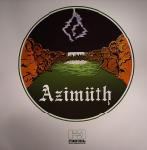
This is a lounge-jazz easy listening album, loaded with funky accent and lush riffs. Approach this release with care, as you might become addicted to listen to this after each complex and demanding album that you go through. This is a perfect sonic afterglow music; the album of the "afterwards".
:::By docperkins:::

Azymuth - Azimuth (1975)

1. Linha Do Horizonte (4:29)
2. Melô Dos Dois Bicudos (3:08)
3. Brazil (3:58)
4. Seems Like This (4:31)
5. Caça A Raposa (5:12)
6. Estrada Dos Deuses (3:14)
7. Wait For My Turn (3:01)
8. Montreal City (3:19)
.9 Morning (3:48)
10. Periscópio (7:36)

Credits
Artwork By [Design By] - Swifty
Drums, Percussion - Ivan Conti [Mamao]
Engineer [Assistant] - Barrachinka , Jaire Gualberto , Zé Guilherme
Engineer [Sound] - Ari Carvalhaes , Eugenio , Luigi , Luis Cláudio
Guitar - Joao América [Parana] (tracks: A1)
Guitar, Violin, Vocals, Percussion, Bass - José Alexandre Malheiros
Mastered By [Remastered By] - John Dent
Other [Coordination By] - Duncan Ballantyne , Hugh De Winton , Joe Davis , Lewis Robinson
Percussion, Vocals - Arinvaldo Contesini
Piano, Clavinet, Electric Piano, Organ [Hammond], Synthesizer [Moog, Arp], Vocals - José Roberto Bertrami
Vocals - Márcio Lott (tracks: A1, A7, A9)
Vocals, Percussion - Joao América [Parana]
Written-By - A. Malheiros (tracks: A2, A3, A5 to A7, A10) , I. Conti (tracks: A2, A3, A5, A6, A10) , J. R Bertrami (tracks: A2 to A6, A8 to A10)

Notes
Original album recorded at Estudios Hawai Phonogram, Rio De Janeiro between October '74 and February '75.

:::Tangerine:::

Posted: Friday, 19 December 2008 by jazzlover in Etykiety: , , ,
4

Still considered an expatriate as he resided in Europe, Dexter Gordon (tenor sax) returned stateside in mid-1972 long enough to lay down two sessions' worth of material that would primarily be split between Tangerine (1972), Generation (1973), and Ca'Purange (1973). The opening update of the Johnny Mercer staple "Tangerine" gets things underway with a mid-tempo treatment allowing Gordon, Thad Jones (trumpet), Hank Jones (piano), and Stanley Clarke (bass) plenty of room to groove on their own as well as in the quintet with Louis Hayes' (drums) rock-solid downbeat. Oddly, the performance is not presented in its entirety, fading out nearly nine minutes in. Hank Jones shines on the easygoing "August Blues" -- the first of three Gordon originals featured on the platter. Gordon is more methodical as his interesting ideas develop organically and inspire the same from Thad Jones, who kicks things up with his dizzying double-time before handing things back to pianist Hank Jones. Clarke steps up and gives the tune a final shot of soul as the rest of the ensemble join back in. The funky "What It Was" is the most modern-sounding side on the album, with Clarke's undulating and propulsive bass giving the number a contemporary kick. Although pianist Jones decides to class up the joint with refined and bluesy contributions that rhythmically jump and jive all over the beat. From a slightly earlier date, Gordon is accompanied by Cedar Walton (piano), Buster Williams (bass), and Billy Higgins (drums) on the LP's final two entries. The interpretation of the Mancini/Mercer classic "Days of Wine and Roses" is suitably stately with Gordon's rich tone perfectly capturing the tuneful romanticism without seeming maudlin or trite. The same can be said of Walton's warm and inviting runs that glide into a short but sublime bass solo from Williams. It certainly ranks up there as one of Gordon's greats. Freddie Hubbard (trumpet) is on hand for the closer -- Gordon's "The Group" -- as listeners are given a taste of the former's strong melodic sense. His blows are resounding, particularly so when doubling up beside Gordon for maximum impact.

:::By Lindsay Planer:::

Dexter Gordon – Tangerine (1972)

1. Tangerine 9:04
2. August Blues 9:56
3. What It Was 8:16
4. Days of Wine and Roses 8:46

Credits
Dexter Gordon- tenor saxophone
Thad Jones- trumpet
Hank Jones- piano
Stanley Clarke- bass
Louis Hayes- drums; 
Freddie Hubbard- trumpet
Cedar Walton- piano
Buster Williams- bass
Billy Higgins- drums

Notes
Recorded: June 22 & 28, 1972, Englewood Cliffs, NJ.

:::Gentleman:::

Posted: Wednesday, 10 December 2008 by jazzlover in Etykiety:
5

Gentleman is both an Africa 70 and Afro-beat masterpiece. High marks go to the scathing commentary that Fela Anikulapo Kuti lets loose but also to the instrumentation and the overall arrangements, as they prove to be some of the most interesting and innovative of Fela's '70s material. When the great tenor saxophone player Igo Chico left the Africa 70 organization in 1973, Fela Kuti declared he would be the replacement. So in addition to bandleader, soothsayer, and organ player, Fela picked up the horn and learned to play it quite quickly -- even developing a certain personal voice with it. To show off that fact, "Gentleman" gets rolling with a loose improvisatory solo saxophone performance that Tony Allen eventually pats along with before the entire band drops in with classic Afro-beat magnificence. "Gentleman" is also a great example of Fela's directed wit at the post-colonial West African sociopolitical state of affairs. His focus is on the Africans that still had a colonial mentality after the Brits were gone and then parallels that life with his own. He wonders why his fellow Africans would wear so much clothing in the African heat: "I know what to wear but my friend don't know" and also points out that "I am not a gentleman like that!/I be Africa man original." To support "Gentleman," the B-side features equally hot jazzy numbers, "Fefe Naa Efe" and "Igbe," making this an absolute must-have release. [In 2000, MCA released Confusion and Gentleman as a two-fer.]

:::By Jack LV Isles:::

Fela Kuti - Gentleman (1973)

1. Confusion, Pts. 1&2
2. Gentleman
3. Fefe Naa Efe
4. Igbe

Credits
Producer, Arranged By, Composed By - Fela Ransome Kuti
Saxophone [Alto, Tenor], Electric Piano, Vocals - Fela Ransome KutiSaxophone [Tenor] - Igo Chico
Trumpet [Solo] - Tunde Williams

:::Contours:::

Posted: Wednesday, 3 December 2008 by jazzlover in Etykiety: , , , ,
5


On Contours, his second Blue Note album, tenor saxophonist Sam Rivers fully embraced the avant-garde, but presented his music in a way that wouldn't be upsetting or confusing to hard bop loyalists. Rivers leads a quintet featuring trumpeter Freddie Hubbard, pianist Herbie Hancock, bassist Ron Carter, and drummer Joe Chambers through a set of originals that walk a fine line between probing, contemplative post-bop and densely dissonant avant-jazz. Each musician is able to play the extremes equally well while remaining sensitive to the compositional subtleties. Rarely is Contours anything less than enthralling, and it remains one of the high watermarks of the mid-'60s avant-garde movement.
:::By Stephen Thomas Erlewine:::

Sam Rivers – Contours (1965)

1. Point Of Many Returns (9:20)
2. Dance Of The Tripedal (10:07)
3. Euterpe (11:43)
4. Mellifluous Cacophony (8:58)

Credits
Bass - Ron Carter
Drums - Joe Chambers
Piano - Herbie Hancock
Saxophone [Tenor, Soprano], Flute, Written-by - Sam Rivers
Trumpet - Freddie Hubbard

Notes
Originally released as Blue Note BST 84206, recorded on May 21, 1965

:::Concerto Piccolo:::

Posted: Monday, 1 December 2008 by jazzlover in Etykiety:
5

Recorded live at the Zurich Jazz Festival in 1980, this was America's first taste of the wild abandon that is the Vienna Art Orchestra and expatriate Lauren Newton's glorious vocal instrument. This is a 13-piece big band led by the beautifully weird compositional, instructional, and arranging craziness of Mathias Rüegg. They trash and revere all traditions -- both historical and avant-garde at the same time -- while using them both along with carnival and circus music, classical forms and fugues, and French salon music. They swing here like a Mingus big band playing "Jelly Roll, But Mingus Rolls Better," with soloists who could care less what the ensemble chart says and vice versa. Newton, mixed high above the prattle, soars with the intensity of a pianist while blowing Jon Hendricks away at his own game. The fun really begins when the ensemble changes tempos two or three times and sections play against each other as in "Concerto Piccolo," even if begun by the lilting line of the title's instrument. Musical puns and variations on serious themes abound from the orchestra pit, but unlike Rüegg's Euro counterparts like Franz Koglmann and Stan Tracey, this man has a sense of where colorization and parody end and a new musical language is created. In this sense he resembles both Frank Zappa and Willem Breuker, but uses tradition differently -- not as a guidepost but as a landmark on the way to someplace else (and Rüegg knows exactly where he's going, judging by his charts). The man's imagination is the limit because his band can do virtually anything he dares to dream up. And while it's true that the saxophone (and reed) section of Harry Sokal, Roman Schwaller, and Uli Scherer is top-notch, virtually unsurpassed by any like section in European music, it is Ms. Newton's performance that steals the night. She cuts loose with an abandon that vocalists rarely use these days. Unafraid to screw up the text, when she picks up steam she is literally unstoppable -- even by the band! There are colors, harmonies, and polyphonal systems at work here that will be recalled as the glory years of Euro big-band jazz in the future, and the evocative timbral nature of Rüegg's compositions will be studied for decades to come. Truly, Concerto Piccolo is an amazing debut from a band that offers more than it could possibly receive.

:::By Thom Jurek:::

Vienna Art Orchestra - Concerto Piccolo (1980)

1. Concerto Piccolo 15:30
2. Herzogstrasse 4 11:13
3. Jelly Roll, But Mingus Rolls Better 12:50
4. Variations on Am Hermineli Z'liab 12:26
5. Tango from Obango 12:33

Credits
Anna Lauvergnac (vocals), 
Tobias Weidinger (trumpet), 
Matthieu Michel (trumpet), 
Stephan Zimmermann (trumpet), 
Juraj Bartos (trumpet), 
Adrian Mears (trombone), 
Robert Bachner (trombone),
Dominik Stöger (trombone), 
Ed Partyka (bass trombone, tuba), 
Mauro Negri (alto saxophone, clarinet, soprano saxophone, flute), 
Joris Roelofs (alto saxophone, clarinet, flute), 
Harry Sokal (tenor saxophone, soprano saxophone), 
Andy Scherrer (tenor saxophone, soprano saxophone, piano), 
Herwig Gradischnig (baritone saxophone, tenor saxophone, soprano saxophone, clarinet, bass clarinet), Martin Koller (guitar, electronics), 
Georg Breinschmid (double bass), 
Ingrid Oberkanins (percussion), 
Mario Gonzi (drums), 
Ronny Matky (sounds)

:::Between Nothingness & Eternity:::

Posted: Wednesday, 19 November 2008 by jazzlover in Etykiety: , , , , ,
2

The first Mahavishnu Orchestra's original very slim catalog was padded out somewhat by this live album (recorded in New York's Central Park) on which the five jazz/rock virtuosos can be heard stretching out at greater length than in the studio. There are only three selections on the disc, all of which were to have been on the group's then-unissued third album -- two of them, guitarist John McLaughlin's "Trilogy: Sunlit Path/La Merede la Mer" and keyboardist Jan Hammer's "Sister Andrea," are proportioned roughly as they were in their studio renditions, while the third, McLaughlin's "Dream," is stretched to nearly double its 11-minute studio length. Each develops organically through a number of sections, and there are fewer lockstep unison passages than on the earlier recordings. McLaughlin is as flashy and noisy as ever on double-necked electric guitar, and Hammer and violinist Jerry Goodman are a match for him in the speed department, with drummer Billy Cobham displaying a compelling, raw power and dexterity to his work as well, especially on the CD edition, which also gives bassist Rich Laird a showcase for his slightly subtler work. Yet for all of the superb playing, one really doesn't hear much music on this album; electricity and competitive empathy are clearly not enough, particularly on the 21-minute "Dream," which left a lot of fans feeling let down at the end of its side-two-filling run on the LP. In the decades since this album was released, the studio versions of these three pieces, along with other tracks being worked up for their third album, have appeared as The Lost Trident Sessions -- dating from May and June of 1973 -- thus giving fans a means of comparing this repertory to what the band had worked out (or not worked out) in the studio; and Between Nothingness and Eternity has come up a bit in estimation as a result, benefiting as it does from the spontaneity and energy of a live performance, though even that can only carry this work so far -- beyond the personality conflicts that broke up the band, they seem to have been approaching, though not quite reaching, a musical dead end as well.
:::By Richard S. Ginnell & Bruce Eder:::

The Mahavishnu Orchestra - Between Nothingness & Eternity (1973)

1. Trilogy (The Sunlit Path / La Mere De La Mer / Tomorrow's Story Not The Same) (12:01)
2. Sister Andrea (8:22)
3. Dream (21:24)

Credits
Bass - Rick Laird
Drums - Billy Cobham
Guitar - John McLaughlin
Piano & Moog - Jan Hammer
Producer - Murray Krugman
Violin - Jerry Goodman

Notes
Recorded in august of 1973, in Central Park by location. Sound by Dawson. Engineered by Tim Geelan.
Produced by Murray Krugman and Mahavishnu John McLaughlin.
All compositions by John McLaughlin, except "Sister Andrea" by Jan Hammer.

:::Blue Matter:::

Posted: Monday, 3 November 2008 by jazzlover in Etykiety:
2

One of the top jazz guitarists from the mid-1980s on, John Scofield has always had a very recognizable sound and the ability to combine together R&B/funk with advanced jazz. He is the lead voice throughout most of this release, performing eight of his originals with a group also including keyboardist Mitchel Forman, electric bassist Gary Grainger, drummer Dennis Chambers, percussionist Don Alias and (on three of the numbers) Hiram Bullock on rhythm guitar. Although not for jazz purists, who should get his slightly later Blue Note releases instead, this set should interest guitar freaks.

:::By Scott Yanow:::

John Scofield – Blue Matter (1987)

1. Blue Matter (5:47)
2. Trim (7:33)
3. Heaven Hill (4:28)
4. So You Say (4:34)
5. Now She's Blonde (5:32)
6. Make Me (2:53)
7. The Nag (4:18)
8. Time Marches On (7:32)

Credits
Bass - Gary Grainger (2)
Drums - Dennis Chambers
Guitar - Hiram Bullock (tracks: 1, 6, 7) , John Scofield
Keyboards - Mitchell Forman
Mastered By - Bob Ludwig
Mixed By - Joe Ferla
Percussion - Don Alias
Producer - Steve Swallow
Recorded By - Joe Ferla

Notes
All Compositions Written By John Scofield
Published By Scoway Music BMI In North
America (Gramavision Music BMI Outside USA)
Recorded At Media Sound, NYC September 1986
Mixed At Gramavision Studio
Mastered At Masterdisk, NYC December 1986
Cover Art: Ivan Chermayeff

:::Sahara:::

Posted: Thursday, 30 October 2008 by jazzlover in Etykiety: , ,
1

After the death of John Coltrane, his longtime pianist McCoy Tyner was in something of a musical quandary. Keeping up with his mentor through the incredible explorations of the early '60s, he seemed to have some difficulty navigating the even further out territories explored in the two or three years before Coltrane's death in 1967. His subsequent albums as a leader were solid, enjoyable efforts but seemed oddly retrograde, as though he needed time to settle back and re-digest the information handed down to him. With Sahara, Tyner found the precise perfect "middle ground" on which to stand, more structured than late Coltrane, but exploding with a ferocity and freedom of sound that made it simply one of the greatest jazz recordings of the decade. None of the other members of his quartet ever sounded so inspired, so liberated as they do here. Sonny Fortune threatens to tear the roof off the joint on more than one occasion, Calvin Hill is more than rock-solid on bass, his roots arcing deeply into the earth, and as for Alphonse Mouzon, well, no one familiar with his later vapid meanderings in fusion would begin to recognize him here, so incendiary is his playing. And Tyner develops so much pure energy, channeled with such pinpoint precision, that one worries about the physical stability of any piano under such an assault. From the extraordinarily intense "Ebony Queen" through the ruminative solo "A Prayer for My Family, the equally intense "Rebirth," and the concluding, side-long title track, there's not a misstep to be heard. "Sahara," over the course of its 23 minutes, covers vast ground, echoing the majesty and misery of the geographical area with percussion and flute interludes to some of Tyner's very best playing on record. Even something that could have resulted in a mere exercise in exotica, his koto performance on "Valley of Life," exudes both charm and commitment to the form. Tyner would go on to create several fine albums in the mid-'70s, but never again would he scale quite these heights. Sahara is an astonishingly good record and belongs in every jazz fan's collection.
:::By Brian Olewnick:::

McCoy Tyner – Sahara (1972)

1. Ebony Queen (8:58)
2. A Prayer For My Family (4:45)
3. Valley Of Life (5:17)
4. Rebirth (5:19)
5. Sahara (23:28)

Credits
Bass, Percussion, Reeds - Calvin Hill
Drums, Percussion, Trumpet, Reeds - Alphonse Mouzon
Engineer - Elvin Campbell
Mastered By - Ray Hagerty
Piano, Koto, Flute, Percussion - McCoy Tyner
Producer - Orrin Keepnews
Saxophone [Soprano, Alto], Flute - Sonny Fortune

Notes
Recorded January 1972 at Decca Recording Studios, New York City. Remixed February 1972 at Mercury Sound Studios, New York City. All compositions by McCoy Tyner. Cover and liner photographs by Clarence Eastmond, design by Ron Warwell.

:::Accident:::

Posted: Tuesday, 28 October 2008 by jazzlover in Etykiety:
2

The only review I could find on net is in polish. Sorry Folks!
"Accident" to drugi album The Hub. Jest w zasadzie kontynuacją koncepcji z "Vandalism", jednak pod wieloma względami jest to krok do przodu. Specyficzna dla zespołu stylistyka, która łączy w spójną i naturalnie brzmiącą całość wpływy gatunków takich jak jazz, metal, hardcore o wielu innych, jest tu podana w bardziej czytelnej, dojrzalszej formie. Płyta jest krótsza od swojej poprzedniczki, jednak raczej na tym zyskała, gdyż zdaje się że nie ma na niej ani jednego zbędnego dźwięku, wszystkie kompozycje są bardzo ciekawe i zapadają w pamięć. Całość jest bardziej spójna i przekonująca. Już od pierwszych taktów pierwszego utworu słychać, że będzie świetnie. Muzycy nie zmarnowali roku, który minął od wydania poprzedniego materiału, mam wrażenie, że grają jeszcze lepiej, coraz wyraźniej zaznaczając swój indywidualny styl. Dotyczy to szczególnie perkusisty, Seana Noonana, który wypracował charakterystyczną technikę, sprawiającą że jego karkołomne rytmy wciąż zaskakują nietypowymi rozwiązaniami, nieprawdopodobnymi zmianami tempa. To robi ogromne wrażenie, można by pomyśleć że mamy do czynienia z precyzyjnym robotem a nie człowiekiem. Już pierwszy utwór świetnie to obrazuje, dalej jest nie inaczej. Tim Dahl potwierdza tu swoją klasę, jest absolutnie fenomenalnym basistą, posiadającym fantastyczną technikę i zmysł innowatora. Kiedy widziałem go na koncercie wydawało mi się niemal niemożliwe, że można aż tak doskonale panować nad instrumentem. Jego ogromnym atutem jest to, że wspaniale wykorzystuje wszystkie możliwości ekspresji, jakie daje elektryczny instrument. Jego znakiem firmowym jest używanie przesteru, w którym osiągnął mistrzostwo. Tym większa szkoda, że na płycie, tym razem znacznie lepiej nagranej niż "Vandalism" i generalnie brzmiącej bardzo dobrze, właśnie przesterowany bas brzmi... źle. Chodzi mi wyłącznie o czysto techniczną kwestię realizacji nagrania - przester brzmi tak, jakby nagrywany był liniowo, bezpośrednio z wyjścia w efekcie. Sprawia to, że brzmi bardzo płasko, brak mu przestrzeni i brudu, agresji. Szkoda. Jest to szczególnie zauważalne w porównaniu z fantastycznym brzmieniem zespołu na koncercie. Trio uzupełnia Na saksofonie altowym Dan Magay, świetnie wpisując się w konwencję zespołu. I on zdaje się grać pewniej, tym razem stosując mniej efektów elektronicznych jednak szerzej wykorzystując naturalne właściwości instrumentu. Jak już wspominałem, kompozycje są wyśmienite i to bez wyjątków. Są krótsze niż na debiutanckiej płycie, za to sprawiają wrażenie lepiej przemyślanych, mają ciekawą strukturę, zaskakują ciągłymi zmianami, nie ma tu miejsca na zbytnie eksploatowanie chwytliwych motywów, których na płycie nie brakuje. Cały czas coś się dzieje, nigdy nie wiadomo, czego się spodziewać za chwilę - czy unisonalnego motywu w stylu wczesnego Ornette Colemana, czy może krótkiego deathmetalowego ataku, czy też może nagłego zwolnienia lub przyspieszenia. To wszystko sprawia, że fantastycznie słucha się tej muzyki i wciąż chce się do niej wracać. The Hub to naprawdę wschodząca "gwiazda" nowoczesnej muzyki okołojazzowej. Jeżeli ich dalsze dokonania będą równie ciekawe, to będzie świetnie. Jeśli natomiast kolejna płyta będzie o tyle lepsza od "Accident" o ile ta przewyższała debiut, to The Hub stanie się jednym z moich absolutnych faworytów. Trzymam kciuki i mam ogromną nadzieję, że następny ich album, tak jak dotychczasowe dwa, będę mógł kupić na ich kolejnym koncercie w Polsce.

:::By Wojszyca:::

The Hub – Accident (2002)

1. Big Mouth. (Noonan) - 3:08
2. Screaming Contest. (Dahl) - 2:23
3. Citris. (Dahl) - 3:22
4. Pocket Bones. (Noonan) - 6:25
5. Jimmy. (Dahl) - 0:38
6. Soiled Huggies. (Dahl) - 6:06
7. Over + Out. (Noonan) - 7:00
8. Shocked And Bruised. (Dahl) - 6:38

Credits
Dan Magay: sax
Tim Dahl: bass
Sean Noonan: drums

:::Brown Rice:::

Posted: Saturday, 25 October 2008 by jazzlover in Etykiety: ,
1

If Eternal Rhythm was Don Cherry's world fusion masterpiece of the '60s, then Brown Rice is its equivalent for the '70s. But where Eternal Rhythm set global influences in a free jazz framework, Brown Rice's core sound is substantially different, wedding Indian, African, and Arabic music to Miles Davis' electrified jazz-rock innovations. And although purists will likely react here the same way they did to post-Bitches Brew Davis, Brown Rice is a stunning success by any other standard. By turns hypnotic and exhilarating, the record sounds utterly otherworldly: the polyrhythmic grooves are deep and driving, the soloing spiritual and free, and the plentiful recording effects trippy and mysterious. The various ethnic influences lift the album's already mystical atmosphere to a whole new plane, plus Cherry adds mostly non-English vocals on three of the four tracks, whispering cryptic incantations that make the pieces resemble rituals of some alien shaman. The title cut has since become an acid jazz/rare-groove classic, filtering Charlie Haden's acoustic bass through a wah-wah pedal and melding it with psychedelic electric piano riffs, electric bongos, wordless female vocals, short snippets of tenor saxophonist Frank Lowe's free jazz screeching, and, of course, Cherry's whispers and trumpet. Closer "Degi-Degi" works a similarly mind-bending mixture, but the middle two pieces ("Malkauns" and "Chenrezig") are lengthy explorations where Cherry's languid trumpet solos echo off into infinity. Of all his world fusion efforts, Brown Rice is the most accessible entry point into Cherry's borderless ideal, jelling into a personal, unique, and seamless vision that's at once primitive and futuristic in the best possible senses of both words. While Cherry would record a great deal of fine work in the years to come, he would never quite reach this level of wild invention again. [Brown Rice's original title was Don Cherry, which was changed a year after its initial 1975 release.]

:::By Steve Huey:::

Don Cherry - Brown Rice (1975)

1. Brown Rice (5:14)
Bass [Acoustic] - Charlie Haden
Bongos [Electric] - Bunchie Fox
Drums - Billy Higgins
Electric Piano - Don Cherry , Ricky Cherry
Saxophone [Tenor] - Frank Lowe
Trumpet - Don Cherry
Voice - Don Cherry , Verna Gillis

2. Malkauns (13:58)
Bass [Acoustic] - Charlie Haden
Drums - Billy Higgins
Tambura - Moki Cherry
Trumpet - Don Cherry

3. Chenrezig (12:50)
Bass [Acoustic] - Hakim Jamil
Drums - Billy Higgins
Electric Piano - Ricky Cherry
Saxophone [Tenor] - Frank Lowe
Trumpet - Don Cherry
Voice - Don Cherry

4. Degi-Degi (7:06)
Bass [Acoustic] - Charlie Haden
Drums - Billy Higgins
Electric Piano - Ricky Cherry
Piano [Yamaha] - Don Cherry
Saxophone [Tenor] - Frank Lowe
Voice - Don Cherry

Credits
Co-producer - Beppe Muccioli
Mastered By [Digital] - John Snyder , Rudy Van Gelder
Mixed By - Corrado Bacchelli , Kurt Munkacsi
Producer - Corrado Bacchelli
Recorded By - Kurt Munkacsi

Notes
Originally released in 1976 by A & M Records, Inc. Los Angeles.
Recorded by Kurt Munkacsi at the Basement Recording Studios, New York.
Digitally mastered by John Snyder and Rudy Van Gelder at the Van Gelder Recording Studio, Englewood Cliffs, New Jersey, April 1988.

:::Bitches Brew:::

Posted: Friday, 24 October 2008 by jazzlover in Etykiety: , , , , , , , , , ,
2

Bitches Brew is a studio double album by jazz musician Miles Davis, released in June of 1970 on Columbia Records. Recording sessions took place at Columbia's 30th Street Studio over the course of three days in August of 1969. The album continued Davis' experimentation of electric instruments previously featured on his critically acclaimed In a Silent Way album. With the use of these instruments, such as the electric piano and guitar, Davis rejected traditional jazz rhythms in favor of a looser, rock-influenced improvisational style.

Often cited as one of Davis' best-selling albums and masterpieces, Bitches Brew marked a turning point in modern jazz. Upon release, it received mixed criticism from fans and critics, alike, due to the album's unconventional style and revolutionary sound. Later on, Bitches Brew gained recognition as one of jazz's greatest albums and a progenitor of the jazz rock genre, as well as a major influence on rock and funk musicians.

In February 1969, Davis recorded In a Silent Way, a bold step into ambient funk and electric futurism that inspired the trumpeter to go further out at the sessions for Bitches Brew that August. Davis wanted, he said, "the best damn rock & roll band in the world," to connect jazz with the forward motion of Jimi Hendrix and Sly Stone. Davis' band was superbad (Joe Zawinul, John McLaughlin, Chick Corea, Wayne Shorter, etc.). But the word fusion was never big enough to describe the visceral thrill of these explosive studio explorations and the pioneering tape-edit wizardry of producer Teo Macero, arguably the original Chemical Brother.

No artist has ever reinvented themselves quite so much as Miles Davis. By 1969 he had already upended jazz by championing modal jazz (and in the process recording Kind of Blue which is almost universally acknowledged as the greatest jazz album of all time). By 1969 he was ready to upend it again, and his previous album In A Silent Way had already given hints of what was to come with its increasing shift from an acoustic to an electric sound.

Recording sessions:

As was Davis's practice, he called musicians to the recording studio on very short notice. A few pieces on Bitches Brew were rehearsed before the recording sessions, but other times the musicians had little or no idea what they were to record. Once in the recording studio, the players were typically given only a few instructions: a tempo count, a few chords or a hint of melody, and suggestions as to mood or tone. Davis liked to work this way; he thought it forced musicians to pay close attention to one another, to their own performances, or to Davis's cues, which could change at any moment. On the quieter moments of "Bitches Brew", for example, Davis's voice is audible, giving instructions to the musicians: snapping his fingers to indicate tempo, or, in his distinctive whisper, saying, "Keep it tight" or telling individuals when to solo.

Davis composed most of the music on the album. The two important exceptions were the complex "Pharaoh's Dance" (composed by Joe Zawinul) and the ballad "Sanctuary" (composed by Wayne Shorter). The latter had been recorded as a fairly straightforward ballad early in 1968, but was given a radically different interpretation on Bitches Brew. It begins with Davis and Chick Corea improvising on the standard "I Fall in Love too Easily" before Davis plays the "Sanctuary" theme. Then, not unlike Davis's recording of Shorter's "Nefertiti" two years earlier, the horns repeat the melody over and over while the rhythm section builds up the intensity. The issued "Sanctuary" is actually two consecutive takes of the piece.

Despite his reputation as a "cool", melodic improviser, much of Davis's playing on this album is aggressive and explosive, often playing fast runs and venturing into the upper register of the trumpet. His closing solo on "Miles Runs the Voodoo Down" is particularly noteworthy in this regard. Davis did not perform on the short piece "John McLaughlin".

I can't really explain what Bitches Brew is all about without a bit of historical context. This was 1969 when experimentation in music was at its height. In Britain Pink Floyd were popularising psychedelia and King Crimson were about to release In The Court of the Crimson King and invent progressive rock. In America Davis, ever the restless genius and unable to stand still musically was looking for something more radical and dramatic still. Supplementing his band up to no less than 3 keyboard players and a bass clarinet, and surrounding himself as ever with musicians of the highest caliber he went into the studio for 3 days to record a double album of 6 densely layered tracks.

So what came out? Well, easy listening this ain't and I certainly wouldn't recommend this as an introduction to Jazz or to Miles Davis (Kind of Blue does very nicely for both of those - you might as well start with the best!). The first disc consists of 2 side length tracks, "Pharoah's Dance" and "Bitches Brew", both over 20 minutes. They're both wild cocktails of smoky improvisational jazz. Pharoah's Dance is famous for having no less than 19 edits within it, some as short as 1 second long, and really marks the start of using the studio and the editing booth as an instrument in its own right. I actually can't describe either of these tracks well as each time you listen to them they sound different: there's little structure to hang on to and a mellow groove can quickly dissolve into shards of dissonance with Davis's distinctive trumpet shrieking over the top.

The second disc of the album is somewhat more relaxed. "Spanish Key" actually stays on the same groove for nearly 17 minutes (but certainly isn't boring for it). This is followed by "John McLaughlin" (yep, the track is named after the famous jazz guitarist) and "Miles Runs the Voodoo Down", a menacing track that can almost sound like Led Zeppelin in parts. Finally comes "Sanctuary", a soft sad and superb close with Davis's trumpet at its most plaintive.

The effects of Bitches Brew were revolutionary. Davis had merged rock and jazz, inventing what we now call fusion (perhaps I should say remerged - after all Rock is a 50's ofshoot of Jazz). Extraordinarily for such an experimental album it was one of Davis's biggest sellers and also won him a Grammy. It's influence still permeates todays music. Thom Yorke from Radiohead admits that previous to recording their masterwork OK Computer, Bitches Brew had been lodged almost permanently in his CD player. After its release in 1970, jazz, rock, and the whole of music would never be the same.

:::From http://www.milesdavis.com/:::

Miles Davis - Bitches Brew (1970)

CD 1
1 - Pharaoh's Dance (19:57)
2 - Bitches Brew (26:59)

CD 2
1 - Spanish Key (17:26)
2 - John Mclaughlin (4:43)
3 - Miles Runs The Voodoo Down (14:02)
4 - Sanctuary (10:53)
5 - Feio (11:49)

Credits
* Miles Davis - trumpet
* Wayne Shorter - soprano saxophone
* Bennie Maupin - bass clarinet
* Chick Corea - electric piano (solo on "Miles Runs The Voodoo Down")
* John McLaughlin - guitar
* Dave Holland - bass
* Harvey Brooks - electric bass
* Lenny White - drum set
* Jack DeJohnette - drum set
* Billy Cobham - drum set
* Don Alias - congas, drum set
* Airto Moreira - percussion
* Juma Santos (credited as "Jim Riley") - shaker, congas
* Larry Young - electric piano on "Miles Runs the Voodoo Down" "John McLaughlin" "Spanish Key" and "Pharaoh's Dance"
* Joe Zawinul - electric piano on "Bitches Brew" "Sanctuary" "Spanish Key" and "Pharaoh's Dance"

:::Kwanza:::

Posted: Wednesday, 22 October 2008 by jazzlover in Etykiety:
1

Kwanza is a curious Archie Shepp recording. Released in 1969 on Impulse, it features cuts recorded between September 1968 and August 1969 with an assortment of lineups. Four of the album's five cuts were produced by Bob Thiele, and one, "Slow Drag," by Ed Michel. Shepp composed three tunes here, and he is in the company of musicians such as Grachan Moncur III (who composed "New Africa"), Jimmy Owens, Dave Burrell, Wally Richardson, Bob Bushnell, Bernard Purdie and Beaver Harris, Leon Thomas, Charles Davis, Woody Shaw, Cedar Walton, Wilbur Ware, Joe Chambers, Cecil Payne, and others. As the title might suggest, Kwanza is a joyful record, full of celebration in blues and jazz. "Back Back" opens the set with a colossal funky blues that feels like an out version of the JB's with Burrell kicking it on B-3. The all-too-brief "Spoo Dee Doo," showcases Thomas' unique, and truly awesome vocal stylings along with Tasha Thomas and Doris Troy providing a swinging backing R&B chorus. "New Africa" is the most vanguard track here, with a different rhythm section than on "Back Back," and no guitar, Burrell returns to his piano. It begins in a manner that suggests anger, but not rage. It becomes an edgeless, rounded meditation on joy and gratitude, a statement of purpose at realization and transcendence with Shepp, Owens. and Davis playing alongside Moncur as a monumental choral line in timbres; textures, big harmonic reaches and ultimately resolution. "Slow Drag," is a funky blues tune, it struts a minor key line that feels like a mutated "Wade in the Water," but its Latin rhythms and the killer bass work of Wilbur Ware make the cut a standout. The set closes with Cal Massey's "Bakai," a tune that walks a fringed line on the inside and swings like mad. Kwanza may not be one of Shepp's better known recordings, but it is certainly one of his fine ones.

:::By Thom Jurek:::

Archie Shepp – Kwanza (1969)

1. Back Back Shepp 5:45
2. Spoo Dee Doo Shepp 2:38
3. New Africa Moncur 12:50
4. Slow Drag Shepp 10:09
5. Bakai Massey 9:59

Credits
Drums - Beaver Harris (tracks: 2, 3, 5)
Mastered By - Bob Irwin , Jayme Pieruzzi
Producer - Bob Thiele (tracks: 1 to 3, 5)
Reissue Producer - Bryan Koniarz
Saxophone [Baritone] - Charles Davis (2) (tracks: 1, 3, 5)
Saxophone [Tenor] - Archie Shepp
Trombone - Grachan Moncur III (tracks: 1, 3, 5)
Trumpet - Jimmy Owens (tracks: 1, 3, 5)

Notes
Original LP issue: Impulse AS-9262
Recorded September 1968 and February and August 1969 in New York City.