


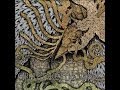


:::Song Of The New World:::
Posted: Monday, 22 March 2010 by jazzlover in Etykiety: Alphonse Mouzon, McCoy Tyner, Sonny Fortune
5

Quite a few leaders of small jazz groups at some point got the itch to arrange music for large ensembles. McCoy Tyner scratched his for the first time on this 1973 recording. While I don't rank it among my favorite Tyner albums, I do think that it is very good, and I would say that it is the best of his several like-minded projects.
Tyner used two large groups, one of horns and reeds and the other mostly strings. The strings perform on "The Divine Love" and the title track, while Tyner is backed by the horns and reeds on the other three tunes. Tyner continued to be confident enough in his personal style to revisit some old territory, as this album is the third in a row to feature a piece that was a regular in the sets of John Coltrane's quartet during Tyner's tenure; here, it's the Mongo Santamaria standard "Afro Blue."
The only real issue to discuss here is Tyner's success with the bigger groups, as the material is fine and Tyner and his rhythm section are in top form. My verdict is this: on only one track — the delicate "The Divine Love" — are the extra musicians integrated with the music to the extent that they're necessary.
On all of the other pieces, they really just provide bulk to the beginnings and endings of the tunes. A potential problem is that, since the album was recorded, school marching bands and 1970s television theme songs have become so closely identified with this kind of music that the contemporary listener may be hard pressed to effortlessly receive the grandiosity and power that Tyner surely wanted these recordings to exude. Despite these issues, though, the majority of the album is just Tyner, his rhythm section and another soloist — and in that format, the music is as timeless ever.
Tyner used two large groups, one of horns and reeds and the other mostly strings. The strings perform on "The Divine Love" and the title track, while Tyner is backed by the horns and reeds on the other three tunes. Tyner continued to be confident enough in his personal style to revisit some old territory, as this album is the third in a row to feature a piece that was a regular in the sets of John Coltrane's quartet during Tyner's tenure; here, it's the Mongo Santamaria standard "Afro Blue."
The only real issue to discuss here is Tyner's success with the bigger groups, as the material is fine and Tyner and his rhythm section are in top form. My verdict is this: on only one track — the delicate "The Divine Love" — are the extra musicians integrated with the music to the extent that they're necessary.
On all of the other pieces, they really just provide bulk to the beginnings and endings of the tunes. A potential problem is that, since the album was recorded, school marching bands and 1970s television theme songs have become so closely identified with this kind of music that the contemporary listener may be hard pressed to effortlessly receive the grandiosity and power that Tyner surely wanted these recordings to exude. Despite these issues, though, the majority of the album is just Tyner, his rhythm section and another soloist — and in that format, the music is as timeless ever.
:::Review by Matt P.:::
McCoy Tyner - Song Of The New World (1973)
1. Afro Blue 9:58
2. Little Brother 10:13
3. The Divine Love 7:28
4. Some Day 6:49
5. Song Of The New World 6:50
Credits
McCoy Tyner (piano); Sonny Fortune (soprano & alto saxophones, flute); Virgil Jones, Cecil Bridgewater, Jon Faddis (trumpet); Dick Griffin (trombone, bass trombone); Garnett Brown (trombone); Kiani Zawadi (euphonium); Julius Watkins, Willie Ruff, William Warnick III (French horn); Bob Stewart (tuba); Hubert Laws (piccolo, flute); Harry Smyles (oboe); Selwart Clarke, John Blair, Sanford Allen, Winston Collymore, Noel DaCosta, Marie Hence (violin); Julian Barber, Alfred Brown (viola); Ronald Lipscomb (cello); Jooney Booth (bass); Alphonse Mouzon (drums); Sonny Morgan (congas).
McCoy Tyner - Song Of The New World (1973)
1. Afro Blue 9:58
2. Little Brother 10:13
3. The Divine Love 7:28
4. Some Day 6:49
5. Song Of The New World 6:50
Credits
McCoy Tyner (piano); Sonny Fortune (soprano & alto saxophones, flute); Virgil Jones, Cecil Bridgewater, Jon Faddis (trumpet); Dick Griffin (trombone, bass trombone); Garnett Brown (trombone); Kiani Zawadi (euphonium); Julius Watkins, Willie Ruff, William Warnick III (French horn); Bob Stewart (tuba); Hubert Laws (piccolo, flute); Harry Smyles (oboe); Selwart Clarke, John Blair, Sanford Allen, Winston Collymore, Noel DaCosta, Marie Hence (violin); Julian Barber, Alfred Brown (viola); Ronald Lipscomb (cello); Jooney Booth (bass); Alphonse Mouzon (drums); Sonny Morgan (congas).

