




:::Out Of Sight And Sound:::
Posted: Wednesday, 30 March 2011 by jazzlover in Etykiety: Bob Moses, Columbus Baker, Jim Pepper, Larry Coryell, The Free Spirits
3

Something was brewing in the lower east side of New York City in the spring of `66. Released on New Year`s Day 1967 this relic is probably the coolest, hippest and farthest out and overlooked recording of the `60s bar none. These cats ventured where no one dared tread in 1966, blowing every band away in their path with their galvanizing psychedelic performances that contained an uncanny concoction of blues, rock,folk, East Indian and be-bop. Considered by afficiados to be the first jazz-rock recording ever The Free Spirits`Out Of Sight An Out Of Sound was exactly as the title implied, radical stuff, as guitarist Larry Coryell would recall years later.
The band consisted of players who were mostly weaned on more traditional jazz stylings started out playing just that before being swayed by mastermind Coryell more in the direction of rock with his affections for the music of Bob Dylan and The Beatles. Reluctant at first, the other members which included Jim Pepper on woodwinds, Chris Hills on bass, Bob Moses on drums and second guitarist Columbus Baker, the only member with no jazz backround, eventually took his cues and consolidated their individual virtuosic musical abilities to create hybrid music that wasn`t heard until several years later by such groups as Tony Williams`Lifetime, Weather Report or during Miles Davis`Bitches Brew Sessions. Even so, at the time these young aspiring musicians could not be considered musical visionaries in the least, they were just five cats who hooked up and were just doing their thing much in the same way as many bands were doing back in the free thinking latter half of the sixties.
After a scant two month`s tenure at one of New York City`s east end`s grooviest clubs, The Scene, they were invited to cut a record for ABC records with veteran engineer Bob Theile who had previously worked with the likes of jazzmen John Coltrane and Charles Mingus. Unfortunately, Theile didn`t hold rock musicians in the same regard and the recording didn`t come off as most of the band expected and was hurriedly completed with none of the original compositions exceeding much more than 3 minutes which didn`t allow for much freaking out instrumentally. The album didn`t compare to the intensity of their live performances which , according to many who witnessed them, were full of improvisation and flair. Notwithstanding the shortsightedness of corporate types the album featured competent musicians who could hold their own in any jazz ensemble of the day while at the same time playing music which was socially and culturally in tune with the hippie generation, singing about peace and love which could be compared to The Byrds, The Mamas & The Papas and The Beatles complete with stoned out vocals and twangy guitar by Coryell who even played sitar on a couple of tracks. What really made the music jive was the inclusion of Peppers avant crazed tenor sax and flute cries on tracks like the acid soaked Don`t Look Now, the hippie anthem I`m Gonna Be Free and Storm which was certainly one of the first pop songs to feature the flute. Bob Moses` pertinacious be-bop tendencies on the drum kit, which are in evidece throughout, also gave their sound a certain smoothness which gave the record even more groovy hip feel.
Don`t expect any of the improvisational guitar wizardry of Larry Coryell here ( he hardly solos ), but it`s interesting to hear this early marriage of different musical sensibilities from a group of cutting edge musicians which just grooves and moves. One of the few examples of psychedelic jazz from the sixties. Imagine John Coltrane and Wes Montgomery meets The Beatles and Hendrix. Those who think Miles invented fusion should definitely give this gem a spin. A veritable unsung artifact of rock 'n roll history.
:::Review by Vibrationbaby:::
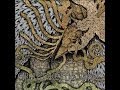
The Free Spirits - Out Of Sight And Sound (1967) (2006)
1. Don`t Look Now ( But Your Head Is Turned Around ) 2:19
2. I`m Gonna Be Free 3:30
3. Lbod 3:05
4. Sunday Telephone 2:57
5. Blue Water Mother 2:46
6. Girl Of The Mountain 2:42
7. Cosmic Daddy Dancer 2:36
8. Bad News Cat 3:26
9. Storm 2:15
10. Early Mornin`Fear 2:39
11. Angels Can`t Be True 2:43
12. Tattoo Man 2:59
13. I Feel A Song 2:36
Credits
- Larry Coryell / guitar, sitar, vocals
- Jim Pepper / saxophone, flute
- Columbus Baker / bass
- Bob Moses / drums


