
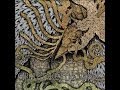
:::Taniec Smoka:::

Posted: Monday, 9 August 2010 by jazzlover in Etykiety: , , , , ,
2

A skillful combination of traditional and avant-garde jazz made TriCity's Milość one of the most important yass scene collectives. The band formed from the ashes of the new wave group Sni Sredstwom Za Uklanianie, and consisted of double-bassist Ryszard Tymański, saxophonist Mikołaj Trzaska, and clarinetist Jerzy Mazolewski, aka Mazzoll. In 1991 Mazzoll left the band and pianist Leszek Możdżer joined the lineup. With the encouragement of success at Krakow's Jazz Juniors Festival in 1992, Miłość, with Jacek Olter on percussion and saxophonist Maciej Sikała, recorded their first self-titled album. In 1994 they produced a mix of avant-jazz and world music for their second release, Taniec Smoka. The same year Miłość's musicians, in cooperation with the preeminent avant-garde trumpeter Lester Bowie, issued the live album Not Two. In 1995, Miłość released the Krzysztof Komeda-linked Astigmatic long-play. In 1997, in cooperation with Tymański's Tymon i Trupy band, they issued a motion picture soundtrack from Olaf Lubaszenko's Sztos. Despite the collapse of the original Miłość lineup in the late '90s, Tymanski toured along with Olter, Trzaska (substituted in 2000 with Mazzoll), and Tomasz Hesse on bass. The second collaboration between Miłość and Lester Bowie was entitled Talkin' About Life and Death and was issued in 2000. Miłość disbanded in 2002 after the death of Jacek Olter by suicide.
:::Info by allmusic:::

Miłość - Taniec Smoka (1994)

01. The Dragon Dance [Taniec Smoka] [12:05]
02. Human Machine [Maszyna Ludzka] [03:49]
03. Lezor i Niutnia [03:17]
04. Your Goatee Gets On My Nerves (Not To Mention The Moustache) [03:26]
05. Cardano [0:07:52.13]
06. Lapping Fluid Helium [Chłepcąc ciekły hel] [07:04]
07. Ordre omnitonique [07:17]
08. Left Side Jass [Lewy Jass] [02:23]
09. The Last Of The Human Dragons [Ostatnie z ludzkich smoków] [08:43]
10. The Dragon Tears [Łzy smoka] [10:30]

Credits
Mikołaj Trzaska - alto, soprano & baritone saxes, flute, vocals
Maciej Sikała - tenor & soprano saxes,saxophone neck, vocals
Leszek Możdżer - piano, accordion, clapping, vocals
Ryszard "Tymon" Tymański - bass, balalaika, horn, vocals
Jacek Olter - drums, percussion, pots, water sound, vocals

Notes
Recorded at Polish Radio Studios,Szczecin on April 17-20, 1994.

:::Long Live The Sliced Ham:::

Posted: Sunday, 8 August 2010 by jazzlover in Etykiety:
2

Kandahar made two excellent albums and this, their debut, is one of them. Jaggy whammed-out and often fuzzy guitar, sumptuous saxophone squawks and squirts added with some highly melodic bass and drums mark this album as something of an unknown gem. Almost every track is enough to put me into an almost higher state of consciousness, because Kandahar really throw in lots of foot-tappingly stunning moments of worthy jazz and brass rock. They are hard to compare to any other band precisely, but they are by no means unique, but they do not have to be. There are some hints to Colosseum (the first incarnation, e.g. Valentyne Suite) and with the added underlying synth, they also remind me of some of the more symphonic jazz-rooted bands, especially from the Italian scene and one must not forget the obvious nod to Canterbury bands such as Nucleus and Soft Machine. The music is mostly of a light nature, but is juxtaposed with some almost haunting and ambient sections at times, which for me, show some great creativity. The use of many instruments, such as saxophone, flute and different synths, such as the ARP and Davoli makes their sound varied and interesting.
Jeff de Visscher's guitar playing is quirky also and because I am not a musician myself, it is difficult to describe, however, it seems he may have been listening to Chris Spedding who was with Nucleus. On Outside of Reality, for instance, his guitar playing has an Eastern feel to it (kind of Egyptian), which bearing in mind the band is named after the capital city of Afghanistan and that Karel Boegard lived in the Far-East, makes me believe that was very much intentional.
With track six Survivin' Boogie you get an odd jazz and R&B smattered score with vocals, which as the name suggests has hints of barrelhouse piano and although it is one of the weaker tracks on the album, it is still enjoyable because a. it is so fun to listen to and b. because there is some great interaction between all the musicians. The trumpets in the background give the track its jazz element (think of Keef Hartley Band here). As for The Walkin' Place, well, the intro sounds just like something Zeuhl band Weidorje or Japanese avant-progsters Koenjihyakkei would make their own and it even has some fuzz bass at the beginning, until the track lycanthropically changes into another beast entirely, having a somewhat Spanish feel to it, with some odd percussion playing on toms toms I believe. Near the end, the Zeuhl-feel returns and reveals a wonderful flute outtro. However, the highlight track for me is The Hobbit, which is so catchy, I have had it stuck in my head for days before, even though the track is one of their most laid-back and ambient, as well as not their compositionally best attempt. It just has some allure to it that I cannot fathom. The Fancy Model is their most avant-jazz effort, reminding me of Nucleus or Graham Collier Sextet at their absolute finest. It is full of lots of noise, due to the fact that there are two saxes being blasted to bits and you even get the John Marshall (who was the drummer in Nucleus, Graham Collier Sextet and Soft Machine at various times) style drum solo. This is certainly another highlight of the album and some may feel this is the strongest track on the whole album. When She Flies Away is an odd synth track at the beginning that reminds me a bit of disco and 80s synth-pop that would later be very much in the publics faces and ears a few years later, except in this case, it works brilliantly and the jazzy overtones again make this track somehow unique and definitely unforgettable. Being as this is the longest track on the album, it cannot obviously stay the same throughout and it certainly does not, it changes throughout with many timing shifts and mood. The background vocals at one point strangely remind me of a moment from Jack Black's School of Rock and I can actually imagine him on stage singing this... whether that is a good thing, you will have to decide for yourself.
The entire album is full of character and cunning compositional brilliance at times and I find it difficult to find a poor track. I have always had an affinity to the trumpet style of Henry Lowther of Keef Hartley Band and the occasional jaunts of that style of this sound really pleases me, however it is a shame that the trumpet players (including the saxophonist(s) and flautist) are not listed. However, there are some lesser moments, including the not so enjoyable Survivin' Boogie and the 13 second Interlude. Also, some of the synth sounds, sound a bit twee at times, but with so much brilliant music on offer for the listener, it is very difficult to complain about such things and that is why I have given it 4 stars.
This is one of those rare gems that get discovered occasionally and it definitely deserves a re-mastering and reissue on CD so more people can hear its brilliance. Their next album In the Court of Catherina Squeezer would continue on in a similar vein (yet with many different nuances and an even more Canterburian sound) and I am hard pushed on which of the two I prefer at this juncture.
4.4 (rounded down to 4), for this lost relic.
:::Review by James:::

Kandahar - Long Live The Sliced Ham (1974)

1. Down at the Finckle's (4:28)
2. Eyes of Glass (5:37)
3. Outside of Reality (8:05)
4. Survivin' Boogie (3:20)
5. The Walkin' Piles (4:18)
6. The Hobbit (3:10)
7. The Fancy Model (5:40)
8. When She Flies Away (8:41)

Credits
- Jeff De Visscher (lead & acoustic guitar, sitar, vocals)
- Karel Bogard (piano, clavinet, Davoli & A.R.P."2701" synthezisers, gongs & bells, vocals)
- Jean Pierre Claeys (bass)
- Etienne Delaruye (drums, glochenspiel, tympani, cello, tambourine, vibes, piano, syntheziser, strings, clavinet, marimba, vocals)

:::Alas:::

Posted: by jazzlover in Etykiety:
1

Alas was one of the most amazing prog bands from Argentina, not only in the technical aspect (all three members were proficient performers) but also in the creative aspect - their style is based on a highly rich amalgam of jazz fusion a-la Return to Forever/Weather report, ELP-tinged prog pomposity, tango-based textures and academic flavours, all of them cohesively gathered in a powerful, original sound. Alas was, in many ways, a world of its own in their country's prog arena, yet their sound portrayed a distinct peculiarity that could only be emanated from the very heart of Buenos Aires' Creole folklore. Their debut album's repertoire consisted of two sidelong suites, both of them bearing a notable predominance of instrumental input. The first one, 'Buenos Aires es Solo Piedra', is the jazziest. The first and antepenultimate motifs sort of operate as the main centers of the whole sequence, providing an air of exuberant mystery for it. The 'Sueño' section is the only sung one, very ethereal indeed: the ethereal stuff is perpetuated in the immediate section, which turns to explore minimalistic places with its musique concrete-inspired tricks. There is another soft section before the arrival of the last one - 'Tanguito' brings some pleasant tango airs, like a dreamy sound that meanders in an unknown place of the listener's subconscious mind. The second suite is the most bombastic, meaning it is the most akin to progressive rock parameters. 'La Muerte Contó el Dinero' is a showcase for ELP's influence on Alas' style, but of course, Moretto's vision combined with the threesome's particular drive keeps them well away from any cloning temptation. The first section is a sung intro based on a delicate electric piano motif augmented by subtle touches of lead guitar and drum kit's cymbals. The lines are really powerful, as if predicting some sociopolitical disaster (which, sadly, came to be around the middle of that year 1976). Check this: "The sky crack up in crusts of lime / Pieces of the high seas cover the tombs / They sow animal birth pains / Children cry their wintertime hunger" - wow!, I understand Spanish and I can't stop my heart from shivering every time my ears listen to these lyrics in the 'Vidala' section. The three following sections determine the suite's nuclear motifs, and that is when things get electrifyingly ELP-ish, indeed: yet, like I said before, never getting to rip-off land. The organ and the synth paint amazing flourishes and leads all the way, while the rhythm section keeps an inventive pace in a most robust manner. After the first sung section is reprised in 'Vidala Again', a series of eerie sounds emanated from the synth, bass and percussive implements arrives like the birth of something new that gets in the landscape and spreads around. The sound of a storm announces a drum solo: what's the point of a drum solo after such an ethereal passage? Well, this drum solo serves as an anticipation of the final outburst, which is the resumed reprise of sections b, c & f: 'Final' brings an air of conclusive splendour to this suite, in this way providing a coherent closure. The bonus track comes from a single the band originally released the year before this album. While being less demanding, it is very neat, indeed, offering a candorous sample of jazzy 'joie de vivre'. If only it hadn't been placed after 'La Muerte.' - it somehow kills its climax.
Well, if you program your CD player by locating the bonus between the two suites, the experience will be more rewarding. But even if you don't, Alas' debut album is so good that it can only motivate an excellent emotional experience in the listener's soul: "Alas" is a master opus that any decent prog collector should have.
:::Review by Cesar Inca:::

Alas – Alas (1976)


1. Buenos Aires Solo es Piedra (15:48)
a) Tango
b) Sueño
c) Recuerdo
d) Trompetango
e) Tanguito
f) Soldó
2. La Muerte Contó el Dinero (17:36)
a) Vidala
b) Smog
c) Galope
d) Mal-ambo
e) Vidala Again
f) Amanecer - Tormenta
g) Final
3. Aire [bonus track] (4:35)

Credits
- Gustavo Moretto / keyboards, synthesizers, flute, trumpet, vocals
- Alex Zucker / bass, guitar
- Carlos Riganti / drums, percussion

:::Four Letter Monday Afternoon:::

Posted: by jazzlover in Etykiety:
1

I would like to say that the reputation of this album being Jazz-rock/fusion is much exaggerated . Sure the band was expanded and added up a temporary full brass section, taking in as a permanent member a second wind blower, but only the second disc can be seen (with the 48+min track divided into three parts) as real Jazz-rock flavoured disc. The sky-lit artwork is a cool but sober artwork for such a superlative work, again released on the now-legendary Kuckuck label.
The first disc starts off with the masterful L S B (17 + min) full of their usual interplay with some very pastoral moments between the flute and the guitar and organ. Only in the last five minutes are sung. The second track is a bonus on CD and is rather folkish as the last track of disc 1. Third comes on of those numbers with an infectious groove coming in soon and being repeated to the end but ever subtly changing and again the vocals come in late in the tune in the form of a great scat (Tsajama) being speeded up as the song is veering towards the end. Black Cards is another gem bringing you back to their second eponymous album.
The second disc is the reason why this does not get five stars. Only one tune on this album, spread out in three movements, with themes repeating themselves, adding up more and improving as they go along. Fascinating, brilliant and adventuresome, but too long and does not stand numerous repeated listenings. They might have made it more succinct into one side of vinyl as they had much more material from those recording session (will not be released until 2002) and some stuff that might have given this disc the full marks it disserves. On this album the jazz intonations are often reminiscent of a brass rock ensemble like Chicago or The Flock and If, than jazz-rock ala Mahavishnu or Weather Report.
A real must-hear, if you do not know the band, start with the previous and work either way, moving on to the excellent two posthumous albums after the official releases of the times. Aside from sometimes being a little self-indulgent, they had a flawless albeit short career, not making a single weak number.
There are not too many band, that can be said the same..... What an awesome band they were, said Dag-Erik Asbjornssen. I can only nod in full agreement.
:::Review by Sean Trane:::

Out of  Focus - Four Letter Monday Afternoon (1972)

LP 1 (46:07)

1. L.S.B (17:37)
2. When I?m Sleeping (4:04)
3. Tsajama (9:23)
4. Black Cards (9:38)
5. Where Have You Been (5:35)

LP 2 (48:09)

6. A Huchen 55 (9:19)
7. Huchen 55, B (14:32)
8. Huchen 55, C (24:18)

Credits
- Remigius Drechsler / guitars, Tenor saxophone, flutes, stylophone, voice
- Hennse Hering / organ, piano
- Moran Neumüller / Soprano saxophone, vocals
- Klaus Spöri / drums
- Stephen Wishen / bass

+ Hermann Breuer / trombone
- Peter Dechant / acoustic guitar, vocals
- Grand Roman Langhaus / bongos
- Jimmy Polivka / trumpet
- Ingo Schmid-Neuhaus / Alto & Bariton saxes
- Michael Thatcher / organ

:::School of High Sense:::

Posted: by jazzlover in Etykiety:
1

One of the most successful spinoff bands from iconic 90s rockers Blankey Jet City, LOSALIOS also has the distinction of being the most divergent from the original trio's style. The brainchild of Blankey drummer Nakamura Tatsuya, LOSALIOS plays a brand of hard rock and jazz with energy that can get downright feverish.
Nakamura Tatsuya and his traps fill the soul of this band, through a technical but recognizable groove around which the other instruments improvise, until inevitably all the members, in grand hard rock fashion, converge violenty into the respective song's theme. The style is accented by aggressive and highly complicated lines from bassist TOKIE and guitarist Katou. Not surprisingly, despite LOSALIOS' jazz-rock roots, the band has little in common with fusion stalwarts such as The Mahavishnu Orchestra or Weather Report. If anything, LOSALIOS is somewhat similar to Naked City, though opting for a more focused creative output over John Zorn's unpredictably chaotic songwriting.
Nakamura began LOSALIOS alone in 1996, shortly after Blankey Jet City's Skunk hit stores, under the name Love Shop Losalios. Word has it that the only recording produced, Gabiru, was recorded in an abandoned hotel. LOSALIOS lay dormant until 1999, when Nakamura (while performing with several other bands) teamed with eight other musicians, including his bandmates in Blankey Jet City and guitarist Katou Takashi of Tokyo Ska Paradise Orchestra to create the first album under LOSALIOS proper, Sekai Chizu ha Chi no Ato, with a heavy emphasis on improvisation.
Two years after the breakup of Blankey Jet City, LOSALIOS became active again in its third incarnation, now including TOKIE on bass (from rap-rock group RIZE and Blankey frontman Asai's supergroup AJICO) and Takeda Shinji on saxophone. Katou returned on guitar to round out the band. LOSALIOS' second album, the cryptically titled Colorado Shit Dog, cemented the band's trademark combination of hard rock and jazz.
Within the year following Colorado Shit Dog, LOSALIOS contined to grow into a more aggressive sound, releasing another album and their first live recording, School of High Sense. Though the core members remained the same, in true jazz band fashion, a literal revolving door of guest talent filled out the band on a variety of instruments. Since 2003, LOSALIOS continued to tour sporadically (at times with Blankey spinoff Rosso), while members pursued other musical interests, with Nakamura himself playing with the likes of John Zorn and Bill Laswell. In May, LOSALIOS will released its first recording in a year and a half, (aside from 2004's live DVD Aurora Madturn) Yuurei Senchou ga Hanashitekureta Koto, before taking their live show on the road to the summer festival circuit.
:::Review by James Route:::

Losalios - School of High Sense (2002)

1. Anaconda
2. Coganemushi
3. Hit Man
4. Colorado Shit Dog
5. Wanna Wanna Jesus
6. Snake and Steak
7. IQ 69
8. Funkey Tockey

Credits
Nakamura Tatsuya – Drums, Trumpet
TOKIE - Bass
Katou Takashi - Guitar
Takeda Shinichi - Saxophone

:::Strange Celestial Road:::

Posted: Wednesday, 4 August 2010 by jazzlover in Etykiety: , , , , , , , , , , , ,
3

The band Sun Ra had at the end of the '70s was surely the funkiest he ever had, with electric bassist Steve Clarke (in tandem with upright player Richard Williams) and the twin guitars of Taylor Richardson and Skeeter McFarland. This is the band that recorded the infamous On Jupiter album, and the slightly different band lineup for Sleeping Beauty (recorded just two weeks later) suggests that Strange Celestial Road was recorded between the two, based on the hybrid band lineup. "Celestial Road" kicks things off, where electric bass, arco bass and wah-wah guitar set the stage for a great June Tyson vocal and then solos from John Gilmore, Michael Ray, Sun Ra, and Damon Choice on vibes. "Say" has a great electric bassline and joyous horn charts, and swings mightily with a vaguely Latin rhythm. There's a fine electric guitar solo, as well as some more fantastic playing from Gilmore. Ra's keyboard sounds and soloing are particularly deranged on this album, but never get into the purely noisy realm. "I'll Wait for You" is the real treat of this album, featuring a great mellow groove and wonderful ensemble vocals led by the beautiful June Tyson. There's plenty of fine soloing on this track as well, but the main attraction is the mix by Ra and Michael Ray. There's a dub-like element to the way the instruments and voices are treated and mixed in and out, but this is dub by way of Saturn, and the mix is at least as weird and wonderful as anything Lee Perry has done. This is an overlooked album in an unwieldy discography, but it's a real gem and the fact that it's on the Rounder label should make it easier to find than many of the Arkestra's other albums. Recommended.
:::Review by Sean Westergaard:::

Sun Ra - Strange Celestial Road (1980)

1. Celestial Road 7:03
2. Say 12:10
3. I'll Wait For You 16:05

Credits
Bass - Richard Williams, Steve Clarke
Drums - Luqman Ali , Reg McDonald
French Horn - Vincent Chancey
Guitar - Skeeter McFarland , Taylor Richardson
Keyboards - Sun Ra
Percussion - Artaukatune
Reeds - Danny Ray Thompson , Eloe Omoe , Hutch Jones , James Jacson , John Gilmore , Kenny Williams , Marshall Allen , Noel Scott , Sylvester Baton
Trombone - Craig Harris, Tony Bethel
Trumpet - Curt Pulliam , Michael Ray , Walter Miller
Vibraphone [Vibes] - Damon Choice , Harry Wilson
Vocals - June Tyson , Rhoda Blount

:::Lard Free:::

Posted: Tuesday, 3 August 2010 by jazzlover in Etykiety:
1

Lard Free's debut is stunning , full of energy and deeply enjoyable. If you can picture Sabbath's Geezer Butler (first two albums) playing with King Fripp, Brian Eno and maybe a less virtuoso Bruford making an album , you might have an idea of what this album sounds like! Sometimes the Eno/Fripp influences are overpowering the rest of the influences but this is relatively minor. Those long instumental tracks rolling around a superb bass and repetitive drumming is simply fascinating, may sound to some as jams but not quite as this is more to do with minimalism (Terry Riley style).
Hartman's group is along with Heldon one of main bands that drew heavily on Krautrock to the point that they are often categorized as such although both bands/projects are French. So if you are into Krautrock , you know what you have to do!
:::Review by Sean Trane:::

Lard Free - Lard Free (1973)

1. Warindbaril (3:52)
2. 12 ou 13 juillet que je sais d'elle (8:54)
3. Honfleur écarlate (4:53)
4. Acide framboise (6:43)
5. Livarot respiration (7:45)
6. Culturez-vous vous-mêmes (4:21)

Credits
- Gilbert Artman / piano, drums
- Hervé Eyhani / bass
- Francois Mativet / guitar
- Philippe Bolliet / saxophone

:::Have a Little Faith:::

Posted: Sunday, 1 August 2010 by jazzlover in Etykiety: , , , ,
3

Bill Frisell has long been one of the most unique guitarists around. Able to switch on a moment's notice from sounding like a Nashville studio player to heavy metal, several styles of jazz, and just pure noise, Frisell can get a remarkable variety of sounds and tones out of his instrument. This set features Frisell in a quintet with Don Byron (on clarinet and bass clarinet), Guy Klucevsek on accordion, bassist Kermit Driscoll, and drummer Joey Baron. To call the repertoire wide-ranging would be an understatement. In addition to eight melodies from Aaron Copland's Billy the Kid, Frisell and company explore (and often reinvent) pieces written by Charles Ives, Bob Dylan, Muddy Waters, Madonna, Sonny Rollins, Stephen Foster, and John Phillip Sousa. This is one of the most inventive recordings of the 1990s and should delight most listeners from any genre.
:::Review by Scott Yanow:::

Bill Frisell - Have a Little Faith (1993)

1. Billy the Kid: The Open Prairie 3:11
2. Billy the Kid: Street Scene in a Frontier Town 1:45
3. Billy the Kid: Mexican Dance and Finale 3:44
4. Billy the Kid: Prairie Night (Card Game at Night) / Gun Battle 5:02
5. Billy the Kid: Celebration After Billy's Capture 2:17
6. Billy the Kid: Billy in Prison 1:33
7. Billy the Kid: The Open Prairie Again 2:34
8. The "Saint-Gaudens" in Boston Common (excerpt #1) 0:42
9. Just Like a Woman 4:49
10. I Can't Be Satisfied 3:00
11. Live to Tell 10:10
12. The "Saint-Gaudens" in Boston Common (excerpt #2) 3:05
13. No Moe 2:37
14. Washington Post March 2:05
15. When I Fall in Love 3:26
16. Little Jenny Dow 3:30
17. Have a Little Faith in Me 5:42
18. Billy Boy 1:38

Credits
Accordion - Guy Klucevsek
Bass - Kermit Driscoll
Clarinet, Clarinet [Bass] - Don Byron
Drums - Joey Baron
Guitar - Bill Frisell

:::Raindog:::

Posted: Saturday, 31 July 2010 by jazzlover in Etykiety:
2

What a wonderful and progressive album, while I don't know whether Stomu would have intend to make a progressive rock album or not.
Stomu Yamashta is a Japanese percussionist and, as everyone has said, one of jazz-rock pioneers all over the world. This 'Raindog' is his fifth album from Island Records, faithfully re-produced with the 'Raindog' event in London - after his previous band East Wind breaking out. The quality and activity of this album can notify us that Stomu would not be depressive in the disbandment and would be still positive for music and creation. The first track Dunes has jazzy and speedy percussive sounds tinged with slight psychedelic or spacey flavour. His wife's violin is very funky and flexible without any restriction - she can absolutely make his percussion more brilliant. Daito Fujita's bass is very simple but very strict for Stomu's percussion - this combination is so terrific.
Heavy and serious atmosphere we can feel strongly and imminently. Wait, in the middle part are steady and relaxed sounds with some pleasure but we cannot be completely relaxed mmm, why? Maybe some dangerous glimmers we can see even in the part. The latter part has an exotic percussion and streaming guitar sound, and Murray Head's melancholic voices plus Maxine Nightingale's graceful scats. Cheers for wonderful 15 minutes! Following track 33 1/3 is, we can say, the one-man show by Stomu. Lots of his percussive equipments - bells, a triangle, a gong, conga or bongo drums, and so on - can hit and blow our brain. There are various musical elements from the whole world. Please enjoy taste of the world itself. In Rainsong Stomu's drums and Hisako's violin can open the door of fantastic 'rainy' stage. The track is the most of rock and roll in this album. Not progressive but very enjoyable song I'm sure. We can sing and dance to it!
The Monks Song is also attractive with percussive sounds in the beginning. The middle part has so sad and painful lyrics by Murray's voices with much passion. Of course, Stomu's percussion should have more passion too - for death and reality. Shadows was composed by Hisako and Brian Gascoigne, not by Stomu. Here is Japanese flavour with fantastic violin and piano. Hisako's violin sometimes sounds like Koto, Japanese harp. What a graceful and with Oriental beautiful gem in this aggressive, progressive work! Ishi(in English, stone? or intention? In fact, the title is written with Japanese Katakana so I cannot realize which is correct.) can start with children's pleasant voices and Stomu's laidback percussion. Added avant-garde violin and hypnotic guitar sounds, Ishi can be completed. As honestly I say, I feel this work is exactly psychedelic rather than jazzy...sorry for jazz-rock fans. :-)
At last I say as follows: On the sleeve, Stomu's eyes should see another world - music scene and mad science.
:::Review by DamoXt7942:::

Stomu Yamash'ta – Raindog (1975)

1. Dunes (15:00)
2. 33 1/3 (7:40)

Side Two
3. Rainsong (5:03)
4. The Monks Song (6:01)
5. Shadows (5:08)
6. Ishi (6:59)

Credits
- Stomu Yamashta / percussion
- Daito Fujita / bass
- Brian Gascoigne / piano, clavinet, synthesizer
- Hozumi Tanaka / drum kit
- Tsuneo Matsumoto / guitar
- Gary Boyle / guitar
- Hisako Yamashta / violin
- Murray Head / vocal
- Maxine Nightingale / vocal

Notes
LP; Island records ILPS-9319
CD; Universal Island Records UICY-94106

:::The Lounge Lizards:::

Posted: Friday, 30 July 2010 by jazzlover in Etykiety: , , , ,
4

One might be forgiven for mistaking the Lounge Lizards' debut album for a traditional jazz release at a glance, what with the two Thelonious Monk covers and the participation of producer Teo Macero (who had previously worked with such heavyweights as Miles Davis, Dave Brubeck and Ella Fitzgerald, to name just a few). No, while there's definitely great respect shown here for the jazz tradition, the members are obviously coming at it from different backgrounds -- most especially guitarist Arto Lindsay, whose occasional atonal string scraping owes far more to his experience in New York City's no wave scene than to quote unquote traditional jazz. In fact, the two aforementioned Monk covers seem a strange choice when you actually hear the band, which has more in common with sonic experimentalists like Ornette Coleman or Sun Ra. That's not to say that this is too experimental; saxophonist and lead Lizard John Lurie knows when to blow noise and when to blow melody, and ex-Feelies drummer Anton Fier manages to infuse a good rock feel into the drum parts even when he's playing incredibly complex rhythms. The end result is a album that neatly straddle both worlds, whether it's the noir-ish "Incident on South Street," the art-funk of "Do the Wrong Thing," or the thrash-bebop found in "Wangling"."
:::Review by Sean Carruthers:::

The Lounge Lizards - The Lounge Lizards (1981)

1. Incident On South Street 3:21 - Written-By - J. Lurie
2. Harlem Nocturne 2:04 - Written-By - Earle Hagen
3. Do The Wrong Thing 2:39 - Written-By - J. Lurie , S. Piccolo
4. Au Contraire Arto 3:22 - Written-By - J. Lurie
5. Well You Needn't 1:53 - Written-By - Thelonius Monk
6. Ballad 3:22 - Written-By - J. Lurie
7. Wangling 2:58 - Written-By - J. Lurie
8. Conquest Of Rar 3:12 - Written-By - A. Fier , E. Lurie , J. Lurie
9. Demented 2:01 - Written-By - J. Lurie
10. I Remember Coney Island 3:27 - Written-By - J. Lurie
11. Fatty Walks 2:51 - Written-By - J. Lurie
12. Epistrophy 4:12 - Written-By - Kenneth Clarke, Thelonius Monk
13. You Haunt Me 3:40 - Written-By - J. Lurie

Credits
Bass - Steve Piccolo
Drums - Anton Fier
Guitar - Arto Lindsay
Keyboards - Evan Lurie
Saxophone - John Lurie

Notes
Recorded at CBS Recording Studios in New York on July 21-22, 28-29, 1980. Mixed at CBS Recording Studios in New York on August 6, 14-15, 1980. Anton Fier uses Sonor drums and Paiste cymbals

:::Magic:::

Posted: Thursday, 29 July 2010 by jazzlover in Etykiety: , , ,
1

After the excellent "Intimate Conversations", Joe McPhee and Mikołaj Trzaska release a new album together, again with Jay Rosen on drums, but now also with Dominic Duval on bass. You might say it's Trio X + Mikołaj Trzaska, and that's correct if you look at the names, but not when you listen to the music. This band does not even touch on the "traditional" Trio X repertoire. McPhee plays sax and pocket trumpet, Trzaska alto sax and bass clarinet.
The album starts with "The Magician", with tribal sounding tones from Trzaska, full of primitive incantations, slowly being joined by trumpet, bass and drums, and developing into a slow, smooth and warm open lyrical exploration. The fit between Trzaska and McPhee is almost perfect, since they have the same attitude to music, one of freedom, respect and authentic warmth. That doesn't mean they don't go wild at times, but the dominant element is careful and reverent. The first track immediately illustrates this range, from tribal over sensitive dialogues to more boppish uptempo steaming improvisations. The second piece is more free form in nature, with Duval playing arco, McPhee delving into the deeper regions of his tenor, Rosen accentuating, and Trzaska's alto adding layers of sensitivity on top. "Sex Toys" is more minimalist and subdued, with the musicians scarcely breaching through the silence, and I think rarely a track has received such an inappropriate name (there isn't even an orgasm of sound to conclude). The first CD ends with "I Remember Max", a luckily not too long drum solo by Jay Rosen, dedicated to Max Roach.
The second CD continues with the minimalist approach, with a long dialogue between the two saxes, interlocking and interweaving calm yet urgent phrases, with McPhee doing some quiet singing while blowing his sax, bursting open into a screaming duel, waking the sleeping dogs of drums and bass in the process.
"Contra-ception" is a bass solo track by Duval, nohting wild, nothing too smooth either, and when he starts using his bow, some shouting brings back the sax for one of the most intense pieces of the album, that shifts mood a little over half-way when McPhee picks up his pocket trumpet: for almost spiritual gospell-like lyricism. One of the most beautiful tracks is the long and slow "Turtles Crossing", a tune that was already on McPhee's Jumala Quintet release with the same name. As the title suggests, there is no need to hurry (from the turtle's perspective of ignorance), but the deep tension of the menace of being crushed is omnipresent, and this horror of course gets articulated musically near the end of the track, but it ends happily.
Again, Trzaska is a perfect fit for this band, who deliver a strong, balanced and varied album of great instrumental power and coherent musical expression, full of emotional depth and moments of fun. Enjoy!
Recorded at Alchemia, Kraków, November 8, 2007
:::Review by stef:::

Joe McPhee, Dominic Duval, Jay Rosen, Mikołaj Trzaska – Magic (2010)

Disc1
1. The Magician
2. War Criminals
3. Sex Toys
4. I Remember Max (Drum Solo)

Disc 2
1. Return of the Terror
2. Contra-ception (Bass Solo)
3. Political Stripper
4. Turtles Crossing
5. A Night in Alchemia
6. Transaction

Credits
Joe McPhee - trumpet, alto sax
Dominic Duval - bass
Jay Rosen - percussion
Mikołaj Trzaska - alto sax

:::Für ein ¾ Stündchen:::

Posted: Friday, 23 July 2010 by jazzlover in Etykiety:
2

The German band Tortilla Flat, named after a famous John Steinbeck novel, released their only record "Für ein ¾ Stündchen" as a, now highly sought-after, private pressing in 1974. The mainly instrumental record presents a Canterbury influenced jazz-rock reminding Dutch bands Supersister and to a lesser extent Focus and the German band Tomorrow's Gift with a strong accent on e-piano and flute. Apart from the musical influence the band showed also some typical Canterbury tongue in cheek humour with the title "Für Ein ¾ Stündchen", pointing in a humerous way to the average length of a vinyl record, the gothic lettered schoolbook cover and some short funny vocal elements.
The record is recommended for Canterbury and jazz-rock fans
:::Review by Martin Horst:::

Tortilla Flat - Für ein ¾ Stündchen (1974)

1.Tortilla Flat (9:59)
2.Temperamente (5:53)
3.Fati Morgani (3:55)
4.Rumpelstiltzchen (4:59)
5.Leere, Chaos, Schöpfung (10:15)
6.Obit, Anus, Obitanus (4:32)
7.Möhre (8:27)

Credits
-Hermann Josef Bosten/ flute, guitar
-Manfred Herten/ guitar
-Franz Brandt/ Keyboards
-Heribert Schippers/ bass
-Hans Friedrich Bosten/ drums, glockenspiel
-Albert Schippers/ percussion

:::Rogue Element:::

Posted: by jazzlover in Etykiety: , , , ,
3

Second album of Soft Heap where Pip Pyle had obligation elsewhere and he was replaced by Dave Sheen, thus Soft Head and the album Rogue Element, of which I'm sure, the elephant occupying the artwork is certainly aimed at. So this album was recorded the following year than the debut and released on the Ogun label, already familiar to progheads for Keith Tippett's works. This is the recording of gig in deep France.
Opening the album on the Dean-penned Seven For Lee, the album starts on a Soft Machine mode with Dean soaring over the rest of the band, but Gowen and Hopper are just behind Elton, making this track the easiest of the album. Hopper's seven Drones veers instantly into dissonant ground, proof that not only Dean was able to follow Marshall around the Machine's fifth album. Nothing too hard for the novice's ears with Gowan's soft electric piano bedding the track. More accessible is the Gowan-penned Remain So, a piano- dominated tune.
The flipside opens on CRRC, written by Alan, and last some 14 minutes, which is enough to let you know that he's a full member of Heap, despite having Gilgamesh still under way (with Hopper appearing), but the "tune" appears more real jazz than fusion or jazz-rock, the mid-song energy outburst not bringing much new. The closing One Three Nine is just more of the same as the album offered you so far.
Ogun released a Mini-Lp reissue of this album in 96, and had the luck to find two extra unreleased tracks (apparently from the same concert, since the ambiance and sound are the same as on the album) and included them as bonus on this release. The 17-mins Dean composition Ranovais a slow starting tune on piano, than sax with Sheen Hoppering on the train a while later. Not too dissonant, but definitely beyond the huge majority of Machine standards, but by Heap/Head standard, quite normal C You Again is really very slow and mega-dissonant, making this track the weaker point on the album, but it remains part off that night's concert.
So the two bonus tracks are excellent added value for the original album, which makes the new version lasting some 60 minutes, which is plenty enough and not lasting too long. I wouldn't call any Heap/Head album essential Canterbury scene music, but they are exactly the kind of albums that consolidate the genre.
:::Review by Sean Trane:::

Soft Heap - Rogue Element (1978)

1. Seven For Lee (8:51)
2. Seven Drones (4:25)
3. Remain So (4:48)
4. Terra Nova (16:52)
5. C You Again (4:13)
6. C.R.R.C. (14:00)
7. One Three Nine (6:33)

Credits
- Elton Dean / alto sax, saxello
- Alan Gowen / electric piano, synthesizer
- Hugh Hopper / bass guitar
- Dave Sheen / drums

:::Industrie Jazzcore:::

Posted: by jazzlover in Etykiety:
1

Splatterpink were a Bolognese jazzcore quartet and this is (obviously?) their third album . The music contained is some of the most fiery in the whole genre, even compared to foreign bands. Coarse funk-blues shards, based on crunching, Primus-like basslines and tarry baritone sax bursts. Throaty vocals, often delving in growl and expressionist roars, cynical, crude lyrics and frantic odd-meter tempo shifts are other core elements of Splatterpink's arsonist formula. A scorching, reckless record which bears some resemblances to Anatrofobia, Zu and even King Crimson at times, but with an even more jolting attitude.
:::More info about Splatterpink on myspace:::

Splatterpink - Industrie Jazzcore (1995)

1. Treno di pensieri (consequenziali) 4:31
2. Status 5:11
3. Soffocare il topo nella sabbia 5:25
4. Pericolo! 4:34
5. Alex 4:10
6. Dio Squalo 6:02
7. Bestie di cuoio 4:18
8. Teste parlanti 4:19
9. Io? 1:19

Credits
Bass - Diego D'Agata
Drums - Leonardo Saracino
Flute - Alessandro Meroli
Guitar - Federico Bernardi
Percussion - Leonardo Saracino
Saxophone - Alessandro Meroli
Voice - Alessandro Meroli , Diego D'Agata
Written By - Metello Orsini (tracks: 8) , Splatterpink (tracks: 1 to 9)

Notes
Recorded on 16 analog tracks at PEDALE BAROQUE, Bologna.
Mixed at NEW SUBCAVE, Casalecchio di Reno, Bologna.
Digital Editing at LOST LEGION SONIC LAB.

:::Unaffected Thought Flow:::

Posted: Monday, 19 July 2010 by jazzlover in Etykiety:
1

Contemporary Noise Sextet is the band established by Kapsa brothers, who earlier formed Something Like Elvis the legendary emo-hardcore band. Formerly known as Contemporary Noise Quintet/Quartet. CNS musicians are also: Tomek Glazik, saxophones (Kult, ex-4Syfon, Sing, Sing Penelope), Wojtek Jahna, trumpet (Sing, Sing Penelope, Mordy) and the guitar player Kamil Pater who joined the band in November 2006 and lately Patryk Weclawek (bass) who replaced Pawel Urowski.
CNS’s music can be described as energetic jazz with the elements of film music. However, the variety of sounds does not allow pigeonholing their music style unambiguously. The debut record “Pig Inside The Gentleman” was released in autumn 2006. It collected favorable reviews and became one of the records of the year in the plebiscite of III Program of Polish Radio. In November CNQ toured in several cities of Poland. The concerts were enthusiastically received.

What is more, the band gained approving reviews in press:

CNQ convinces straight away to have their own idea for music, which is not only attractive but also perfectly produced. Pig Inside The Gentleman is the record everyone should reach for, the one of the best Polish releases in 2006. (Piotr Lewandowski PopUp Magazine).

SOMETHING LIKE JAZZ Contemporary Noise Quintet: jazz music without jazz, film music without movie but something splendid instead! Despite the band’s name suggesting noisy music for the chosen ones, CNQ appears to be a revelation for everyone. Beautiful, hard, romantic piano tunes in the dialogue with brass section. Simple and extraordinary emotional compositions leading to the climax which makes the flesh creeps while listening. Hair bristle on the heads of those who remember the musical past of CNQ’s members… (Bartek Chacinski Przekroj)

Contemporary impresses with maturity and class. There is elegance as well as punk energy. The compositions are unbelievably spacious but on the other hand all fulfilled with instruments from the superb rhythm combo to the greatly equipped brass section. The roots of the most of CNQ’s musicians reach harder music, sometimes even heavy metal what bears excellent interest. The compositions are vigorous and expressive. The name of the band must be remembered because it undoubtedly is Polish export commodity. (Diggin the Shelf)
:::Review by allaboutjazz:::

Contemporary Noise Sextet - Unaffected Thought Flow (2008)

1. Unaffected Thought Flow (Part 1) 2:20
2. A Girl Killed Nicely 3:58
3. Procession in the Fog (With the Dogs Barkin'...) 10:32
4. Nautilius 5:17
5. New Machine on a Dance Floor 8:33
6. No Marks, No Body, Not Guilty... 3:52
7. Zero Gravity 5:55
8. Unaffected Thought Flow (Part 2) 2:41

Credits
Kuba Kapsa - piano, Rhodes, synthesizer
Wojtek Jachna - trumpet
Tomek Glazik - tenor, baritone saxophones, syntezator
Kamil Pater - guitar, baritone guitar
Patryk Weclawek - bass, bass guitar
Bartek Kapsa - drums

Recorded
at Electric Eye Studio, Szubin, Poland, August 2008

:::The Land of The Giant Dwarfs:::

Posted: Tuesday, 13 July 2010 by jazzlover in Etykiety: ,
8

Before the opening fanfare, there are the sounds of a belch, a laugh, and a drum roll. For the first time in any X-Legged Sally recording, here is something you might not want to play again, and the CD has only been on for 20 seconds. Not an auspicious start, and not the only misfire on this wildly uneven album. The Land of the Giant Dwarfs is comprised of 18 often very brief tracks, with touchstones here and there to the inspired mania and occasional subtle charm of the band's previous three albums. There are insistent grooves ("Skip XXI"), waltz and tango-flavored rhythms ("Yesbody 2" and "Yesbody 1"), inventive instrumental combinations (Pierre Vervloesem's heavy metal guitar and Bart Maris' muted trumpet on "Fes II"), atmospheric instrumental blues ("Poor Man's Rain," with some great clarinet from Peter Vermeersch), and even touches of swinging avant jazz and funk ("Starfinger," a showcase for keyboardist Peter Vandenberghe). There are two particularly strong tracks at the CD's close: "Quorns" is moody and ominous, with its tragic tale of doomed lovers (spoken in voice-over by Vermeersch) and stuttering, unsettling unison lines from keyboard and clarinet, and the evocative "Yesbody 1," which builds dramatically to become nearly thrilling before its subtle finish. But elsewhere there are dumb vocal samples ("Skip XXI"), insipid lyrical content ("Hair"), and tunes that seem complex just for complexity's sake ("R.I.P."). As the album leaps from sublime to sophomoric and back again, a sense of disappointment begins to prevail, particularly for anyone who is familiar with X-Legged Sally's previous stellar releases and who might have high expectations for this, the band's first full-length CD released on a U.S. label. Unlike any of the group's CDs on the Belgian Sub Rosa imprint, this one, on Knitting Factory, feels either dumbed down or naughtied up for the American audience. It's as if bandleader Vermeersch decided that the best way to gain popularity in the U.S. would be to push the influence of Frank Zappa more to the forefront, with an unfortunate focus on Zappa's most questionable vocal- and song-based work. How else to explain the vocal samples on "Skip XXI" that fixate on genitalia and masturbation? How outrageous! And doesn't the shopworn sentiment about not judging a man by the length of his hair (in the cleverly titled "Hair") arrive at least 25 years late -- or is there hopefully some sense of irony here? The overdubbed and heavily treated vocals of newcomer Thierry Mondelairs suggest more calculation to expand the band's rock-based audience. At times Mondelairs effectively takes the avant out of X-Legged Sally's avant-prog, turning the ensemble into -- horrors! -- a mere progressive rock band. But of course Vermeersch remains in charge, still writing the lion's share of the material, and now often demonstrating a greater interest in music that is difficult to perform than difficult music that is interesting and fun to listen to. Nowhere is this more evident than on "R.I.P.," an intermittently hard-rocking tune that throws constant changes at the listener; it feels like about ten songs cobbled together into one, with no sense of internal logic. The convoluted structure of "R.I.P." works against one of X-Legged Sally's previous greatest strengths: the ability to lock into a hard-charging groove and drive it to incendiary heights. And yet, 36 of The Land of the Giant Dwarfs' 59 minutes are phenomenal and as strong as anything X-Legged Sally ever recorded. Unfortunately, however, picking and choosing among the tracks is a necessity, something not part of the listening experience with any previous X-Legged Sally release.
:::Review by Dave Lynch:::

X-Legged Sally (XLS) - The Land of The Giant Dwarfs (1995)

1. Anthem - The Land Of Giant Dwarfs 1:05
2. Fes III 4:53
3. R.I.P. 3:36
4. Yesbody 2 2:42
5. Skip XXI 6:27
6. Yesbody 4 2:10
7. Charge 2:08
8. Yesbody 3 1:49
9. Lie To Me 1:32
10. Glad You're Dead 1:27
11. Home 3:04
12. Hair 5:
13. Poor Man's Rain 4:49
14. Starfinger 7:26
15. Mono Dolby 1:00
16. Owl Harry 3:10
17. Quorns 3:22
18. Yesbody 1 2:43

Credits
Bass - Paul Belgrado
Clarinet - Peter Vermeersch
Composed By - Peter Vermeersch (tracks: 1, 4 to 6, 8 to 11, 13 to 18) , Pierre Vervloesem (tracks: 3, 7)
Drums - Danny Van Hoeck
Guitar, Percussion - Pierre Vervloesem
Keyboards - Peter Vandenberghe
Saxophone - Michel Mast
Trumpet - Bart Maris
Vocals - Thierry Mondelaers

3

Anything that has members of Level 42, King Crimson and Egg collaborating together is, to be honest, a very amazing thing. Touching everything from jazz-fusion to psychedelia to the ever interesting and immersive Canterbury Scene, Mr. Jakszyk's "The Bruised Romantic Glee Club" is one of those rare extravagenzas that should be more known about and appreciated than it actually is, because there is an intimacy and chemistry here that you won't find often.
A double album, with side one being originals and side 2 being covers of bands that Jakko admires, 'Glee Club' has quite a few high points on both sides of the coin. Tracks like 'When We Go Home" and "The Things We Throw Away" are appropriately emotional and make very fine use of Jakko Jakszyk's unusually accomplished vocal abilities, while his covering of King Crimson's 'Islands' (which features Fripp himself) is apt and intimate in all the right places. Frequent use of sax, woodwinds and piano flesh out some of the more cinematic touches here and there, while Jakko's distinctive guitar stylings brush in and out to keep the compositions focused and energized when needed.
Basically, while I often consider collaborations overrated and rarely resulting in material that hits the mark more than these artists are capable of doing on their own, the ensemble that Mr. Jakszyk assembled here has worked wonders with material that could have possibly fallen on its face otherwise, and hence I recommend this with little complaint to anyone looking for something good to add to their prog. collection.
So yeah...five stars and a big thumbs up from the Ant-man!
:::Review by Anteater:::

Jakko M Jakszyk - The Bruised Romantic Glee Club (2006)

CD 1
1. The Bruised Romantic Glee Club
2. Variations on a Theme by Holst
3. Catley's Ashes
4. When Peggy Came Home
5. Highgate Hill
6. Forgiving
7. No One Left to Lie To
8. The Things We Throw Away
9. Doxy, Dali and Duchamp
10. Srebrenica
11. When We Go Home

CD 2
1. As Long As He Lies Perfectly Still (incorporating: That Still and Perfect Summer - Astral Projection in Pinner)
2. Pictures of an Indian City
3. Nirvana for Mice
4. Islands
5. The Citizen King
6. Soon After

Credits
Jakko M. Jakszyk - vocals, electric and acoustic guitar, keyboards, mellotron, bass guitar, balalaika, sitar, flute, strings, whistles, sound effects, percussion, programming
Gavin Harrison - drums
Mel Collins - alto and tenor saxes, flute
Dave Stewart - keyboards (CD 1 - 9, CD 2 - 1, 3, 5)
Robert Fripp - soundscapes, electric guitars (CD 1 - 6, 11)
Danny Thompson - double bass (CD 1 - 9, CD 2 - 4)
Mark King - bass guitar (CD 1 -3)
Nathan King - bass guitar (CD 1 - 5)
John Giblin - bass guitar (CD 1 - 6)
Lyndon Connah - piano (CD 1 - 8)
Ian MacDonald - flute (CD 1 - 2)
Caroline Lavelle - cello (CD 1 - 2)
Helen Kaminga - viola (CD 1 - 2)
Clive Brooks - drums (CD 2 - 1)
Gary Barnacle - alto flute, flute, bass flute and piccolo, tenor and soprano saxes (CD 2 - 1)
Hugh Hopper - bass guitar (CD 1 - 1)
Pandit Dinesh - tabla, vocals (CD 2 - 2)
Ian Wallace - drums (CD 2 - 4)
Suzanne Barbieri - backing vocals (CD 1 - 11)
Django Jakszyk - voice (CD 1 - 11)
Camille Jakszyk - voice (CD 1 - 11)
Chris Baker - Irish priest (CD 1 - 4)

:::Heart Of Gold:::

Posted: by jazzlover in Etykiety: ,
2

Maestro Trytony is a musical undertaking by Tomasz Gwincinski, a composer, improviser, guitarist, a leading personality of the "Music from Brain" scene based in Bydgoszcz, Poland. The idea of the "Music from Brain" production is its modern classical chamber music overtones in moder jazz area. Maestro Trytony album Enoptronia" is a turning point in the record collection of the scenes. This recording, inspired by jazz noncomformists (John Coltrane, Albert Ayler, Eric Dolphy, Ornette Coleman) as well as rock avant-garde composers (Fred Frith, Frank Zappa), combines improvisation with the modern classical form. Doing so, it retains the rock energy, improvisational freedom and wit, the idiosyncratic features of jazz. The recorded music flavors of the Polish soft romantic lyricism so characteristic in the works of Krzysztof Komeda. The quest star is Andrzej Przybielski, nestor of the Polish non-mainstream jazz.
:::Review by mozg.art.pl:::

Maestro Trytony - Heart Of Gold (2004)

1. O.R.G. (4:30)
2. Van Worden In Serra Morena (5:01)
3. Jocasta (11:24)
4. Snowboarding Alchemysta (5:12)
5. Heart Of Gold (5:26)
6. Tax Collector (0:47)
7. Magic Tiara Part 1 (7:27)
8. Magic Tiara Part 2 [Cherub. Wand.] (6:23)
9. Nanotechnology (4:39)
10. Epilogue (1:05)

Credits
Tomasz Gwinciński - guitar, electronics, leader
Tomasz Pawlicki - flute, keyboards, spinet, piano prepared
Patryk Węcławek - bass
Rafał Gorzycki – drums

Guests
Małgorzata Skotnicka - spinet
Jacek Majewski - percussion
Łukasz Gorewicz - violin
Martin Franken - gamelan

:::Rock Bottom:::

Posted: Tuesday, 6 July 2010 by jazzlover in Etykiety: , , , , , , , , ,
3

Wow! How one does not commit suicide after falling from the window on the fourth floor and realizing that he will never walk again. I think I have never heard such a personal album like this one and the Syd recordings do not come close as those were so sloppy. This is rather a healing job as the open wounds just start to cauterize , but as he says in the booklet of the remaster, he realized also that he would not have to write music according to his different band mates as it will be impossible to tour again especially with a band, so this would give him more artistic freedom in the writing dept. Everyone ot these tracks is an absolute gem and his voice has never been so fabulous. Nerve-wracking, hair-raising, flabbergasting, spine-tingling. But nevermind me, I'll let my trusted collabs talk about this album.
:::Review by Sean Trane:::

Robert Wyatt - Rock Bottom (1974)

1. Sea Song (6:31)
2. A Last Straw (5:46)
3. Little Red Riding Hood Hit the Road (7:38)
4. Alifib (6:55)
5. Alife (6:31)
6. Little Red Robin Hood Hit the Road (6:08)

Credits
- Robert Wyatt / vocals, keyboards, percussion, guitar
- Richard Sinclair / bass
- Hugh Hopper / bass
- Laurie Allan / drums

With
- Mongezi Feza / trumpet
- Ivor Cutler / voice, baritone concertina
- Gary Windo / bass clarinet, tenor saxophone
- Fred Frith / viola
- Mike Oldfield / guitar
- Alfreda Benge / voice

:::Shut Up 'n Play Yer Guitar:::

Posted: Monday, 5 July 2010 by jazzlover in Etykiety: , , , , , , , , , ,
5

While most of the discussions of Frank Zappa have to do with his satirical and off-color lyrics, the fact remains that he was one of the finest and most underappreciated guitarists around. This collection places the spotlight squarely on Zappa's mastery of the guitar. Recorded for the most part in 1979 and 1980 (with a few tracks dating as far back as 1977), Shut Up 'n Play Yer Guitar is simply a collection of guitar solos. Even though most of the tracks were just edited out of their original song context, they fare well as stand-alone pieces, as Zappa was an ever-inventive player. Take, for example, the three versions of "Shut Up." These tracks were simply the guitar solos from "Inca Roads," but thanks to Zappa's ability for "instant composition," each version has its own complete story to tell, without ever being redundant. Other highlights are the reggae-tinged "Treacherous Cretins" and the beautiful "Pink Napkins." In addition to the electric guitar mangling contained on Shut Up 'n Play Yer Guitar, there are a couple of rare tracks that feature Zappa on acoustic guitar in a trio with Warren Cuccurullo on acoustic rhythm guitar and Vinnie Colaiuta on drums. In fact, special mention goes to Colaiuta for his polyrhythmic daring all over this album. All bandmembers play great throughout, but Colaiuta's playing is mind blowing. The album closes with another oddity: a gorgeous duet between Zappa on electric bouzouki and Jean-Luc Ponty on baritone violin. This is an album that should be heard by anyone who's into guitar playing. Highly recommended.
:::Review by Sean Westergaard:::

Frank Zappa - Shut Up 'n Play Yer Guitar (1981)

1. Five-Five-FIVE 2:31
2. Hog Heaven 2:44
3. Shut Up 'N Play Yer Guitar 5:30
4. While You Were Out 5:33
5. Treacherous Cretins 5:26
6. Heavy Duty Judy 4:35
7. Soup 'N Old Clothes 7:40

Credits
- Frank Zappa / lead guitar
+ Arthur Barrow / bass (1-2-3-5-6-7)
- Vinnie Colaiuta / drums
- Warren Cucurullo / rhythm guitar(1-3-4-5)
- Bob Harris / keyboards (2-6-7)
- Ed Mann / percussion (1-3-5)
- Tommy Mars / keyboards (1-2-3-5-6-7)
- Steve Vai / rhythm guitar (2-6-7)
- Denny Walley / rhythm guitar (1-3-5)
- Ray White / rhythm guitar (2-6-7)
- Ike Willis / rhythm guitar (1-2-3-5-6-7)
- Peter Wolf / keyboards (1-3-5)